
The Microsoft TokenEconomizer repository added a safeguard for Claude Code auxiliary calls. PR #89 was merged on October 30, 2026, at 23:30 UTC, and changes how the plugin configures the MCP servers used by a sidecall.
TokenEconomizer restricts MCP in Claude Code sidecalls
Microsoft PR restricts MCP servers inherited by Claude Code sidecalls in TokenEconomizer when the CLI version offers the required options.

Marcelo Santiago
Criador do bridgecode
The biggest AI newsletter in the World
Get AI articles in your inbox
Technical curation on models, agents and coding tools. No spam, unsubscribe anytime.
The change is small but important for anyone connecting tools to the agent. The repository itself explains that the previous option removed native Claude Code tools, but did not remove the MCP servers from the session. The patch tries to limit the auxiliary call to what it actually needs.
In this article you will see:
- What TokenEconomizer calls a sidecall
- Why
--tools ""did not isolate MCP servers - The 503 tools scenario described in the code
- What the fix changes and what its limits are
TokenEconomizer uses Claude Code sidecalls for auxiliary tasks
TokenEconomizer is a Microsoft plugin to reduce waste in programming agent sessions. The official README lists Claude Code, Codex, GitHub Copilot CLI and Pi as integrations, plus experimental support for OpenCode. The project learns from previous sessions in the same repository and tries to cut repeated work.
A sidecall is an auxiliary call made by the plugin for tasks such as proposing a micro skill, checking if the agent is stuck in a loop, or drafting a suggestion to try another path. It is not the developer's main session and, in general, only needs to read the prompt and return text.
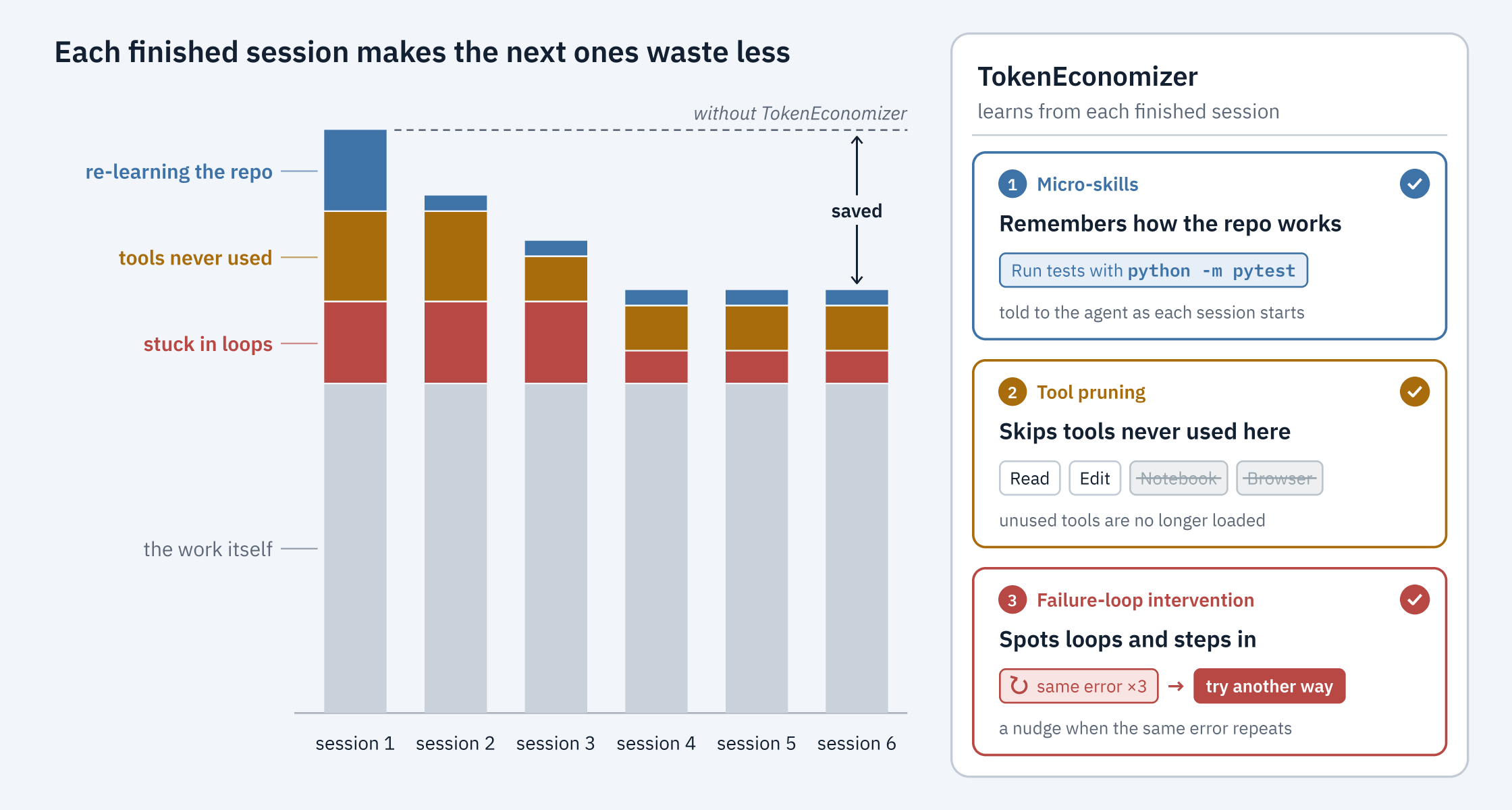
The image from the official TokenEconomizer repository summarizes three mechanisms: micro skills to reuse project context, pruning tools that are never used, and intervention when the agent repeats a failure. The recent PR deals with limiting the tools available to a Claude Code auxiliary call.
PR #89 changed the MCP configuration for auxiliary calls
Before the fix, the Claude Code call used --tools "" to remove native tools. The project's code comment says this did not remove the MCP servers already associated with the session. The respective tool schemas could still be included in the sidecall context.
PR #89 adds a check of Claude Code help to see if the option --strict-mcp-config is available. When it is, TokenEconomizer creates a temporary configuration file with the mcpServers list empty and passes that file with the restricted option.
The code keeps catalog calls outside this rule, because they need to query MCP tools to discover what is available. The change therefore does not turn off the servers from the user's normal session. It aims to prevent them from being attached to an auxiliary request that does not need to call them.
The change also includes a regression test to verify that a sidecall does not inherit personal MCP servers. The test separately preserves catalog queries, which need to continue seeing the tools.
503 tools can expand the sidecall context
The code published by the project describes a specific scenario with Claude Code 2.1.301, 31 servers and 503 tools. In this test, a one line call to the Haiku model reached about 570 thousand effective tokens when the servers were attached, versus about 14 thousand without them.
These numbers appear as an example in the implementation comment, not as an independent benchmark nor as an average of usage. The result depends on the quantity and size of the tool descriptions in each environment. It helps understand why a short call can still carry a much larger context than the text sent.
The difference does not mean that Claude Code processed 570 thousand tokens of response. The issue pointed out is the effective context associated with the tools available for that call. In an agent that makes several auxiliary calls throughout a session, this type of configuration can multiply repeated work.
For an overview of how MCP servers are configured and connected to an editor, see also the MCP guide in VS Code already published on the blog. The TokenEconomizer fix is narrower: it changes the set of servers provided to an internal plugin call.
The fix depends on the options available in Claude Code
The code only adds the empty configuration when it finds --strict-mcp-config in the output of claude --help. Therefore, the behavior depends on the options offered by the local installation. The PR description does not state that the same restriction works in every CLI version.
The project test covers the case where the restricted options exist and verifies that the temporary file does not include user servers. Whoever uses a different version should confirm the behavior in the CLI help and check the TokenEconomizer version installed, instead of assuming that all environments changed in the same way.
It is also important to separate the secondary call from the main session. The patch does not remove MCP from normal Claude Code nor change servers used by the plugin catalog queries. It limits a specific internal path, and does not constitute an independent security audit of TokenEconomizer or the connected servers.
The update does not announce a new model, a change in the MCP protocol nor a new performance result. It is a fix in the TokenEconomizer integration code, recorded in PR #89 from Microsoft, with corresponding test in the repository.
How to verify the TokenEconomizer update today
Read the PR and the merged implementation to identify if the version you use contains detection of --strict-mcp-config. Also confirm if your Claude Code help lists this option and if the plugin temporary configuration leaves mcpServers empty for sidecalls.
The team also publishes regression tests in the repository. They help understand the behavior the patch intends to guarantee, but do not replace validation of your installation nor prove that other agents or plugins have the same protection.
Whoever is organizing a workflow with agents can complement this reading with the guide for reviewing tasks delegated to code agents. The common point is to limit context and review what each agent receives before expanding permissions.
Frequently asked questions about the TokenEconomizer MCP fix
What changed in TokenEconomizer PR #89?
PR #89 adds an empty MCP configuration to Claude Code sidecalls when the CLI offers `--strict-mcp-config`. This prevents those helper calls from inheriting the MCP servers from the session.
Does PR #89 turn off MCP in Claude Code?
No. The fix limits TokenEconomizer helper calls. The patch does not remove MCP servers from the main Claude Code session.
Why was `--tools ""` not enough to isolate a sidecall?
Because `--tools ""` removes native tools, but the project comment says MCP servers could still remain attached to sidecalls.
How many tokens can a helper call carry in this example?
The code describes a scenario with 503 tools across 31 servers, on Claude Code version 2.1.301, in which a Haiku call reached about 570 thousand effective tokens, versus about 14 thousand without the servers. It is a project example, not an independent average.
Who receives the TokenEconomizer fix?
The change targets TokenEconomizer sidecalls for Claude Code and depends on the CLI exposing `--strict-mcp-config`. The PR does not state that the restriction applies to all agents or versions.
PR #89 restricts unnecessary tools in sidecalls
The clearest gain from the patch is reducing the set of MCP servers exposed to Claude Code's auxiliary calls when the CLI offers restricted mode. This also avoids loading tool descriptions that call does not need.
If you use MCP and programming agents, check the installed version and verify the actual behavior before relying on the fix. You define the goal and the agents split the tasks: one plans, another executes, another reviews. See how orchestration works on bridgecode.
Source: PR #89 from TokenEconomizer, official implementation
Tags:#TokenEconomizer#Claude Code#MCP#agentes de código#Microsoft
Developer and creator of bridgecode, an agentic development environment for orchestrating squads of AI agents. Helps people going from vibe coding to professional development move from idea to shipped product.
Related articles
Newsletter
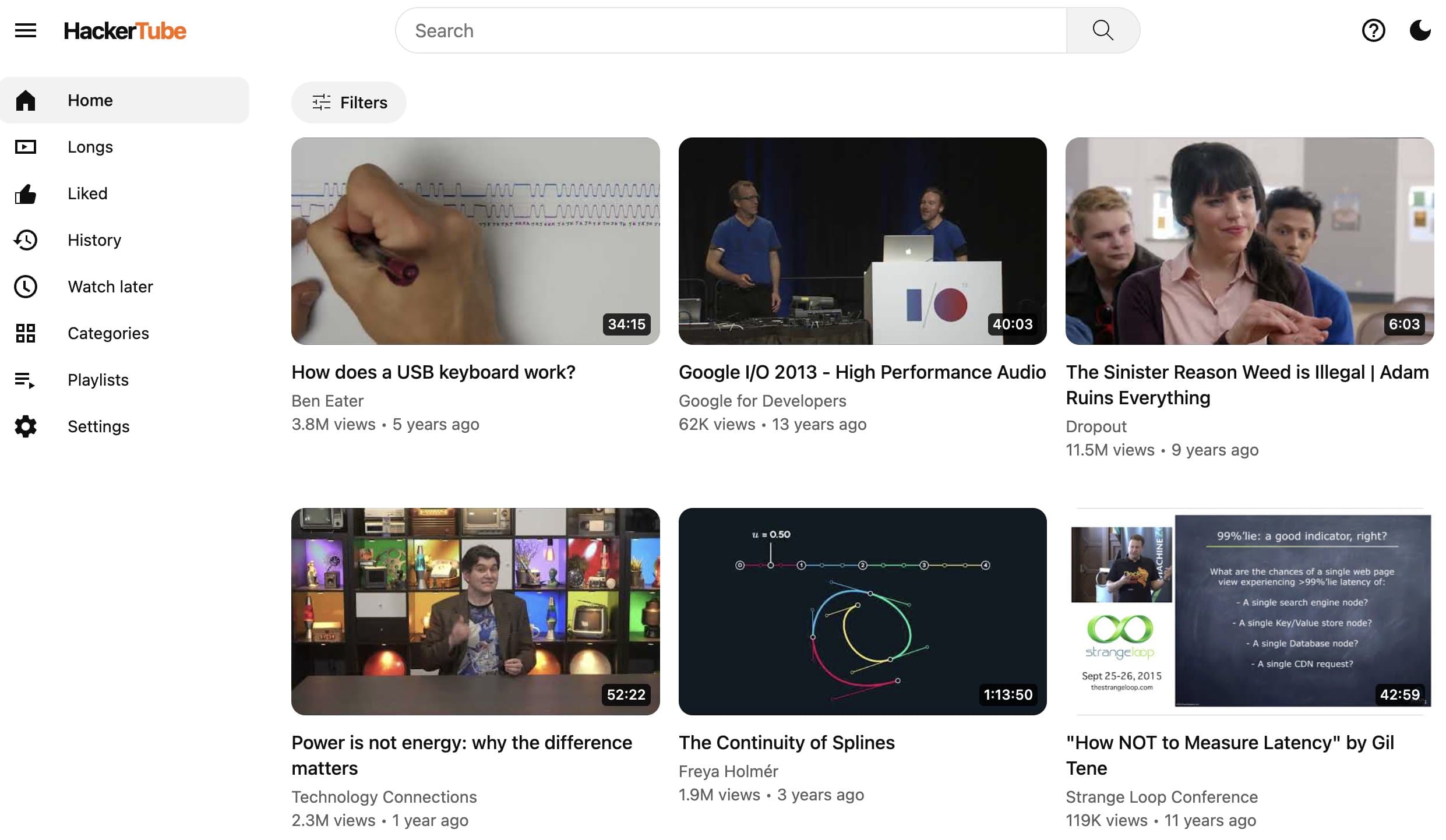
Karpathy builds a video platform over a weekend with Claude
Andrej Karpathy built HackerTube in a weekend with Claude. What it says about development speed with coding agents.
5 min

Newsletter
Rich Sutton reinforces that compute alone does not create intelligence
Turing Award winner Rich Sutton reinforces that raw compute is not enough for intelligence and calls for new methods, continuous learning and world models.
5 min

Newsletter
AI auditors detect misbehavior but generate false alarms
AI models catch a good portion of other agents' misbehavior, but they generate a lot of false alarms. See the numbers from Andy Hall's study.
6 min