
Google announced on November 9, 2026 two new systems from the eighth generation of TPU: TPU 8tx, focused on confidential inference, and TPU 8i Max, aimed at massive context windows. With this, the eighth generation now has four systems, something unprecedented for the company in a single year.
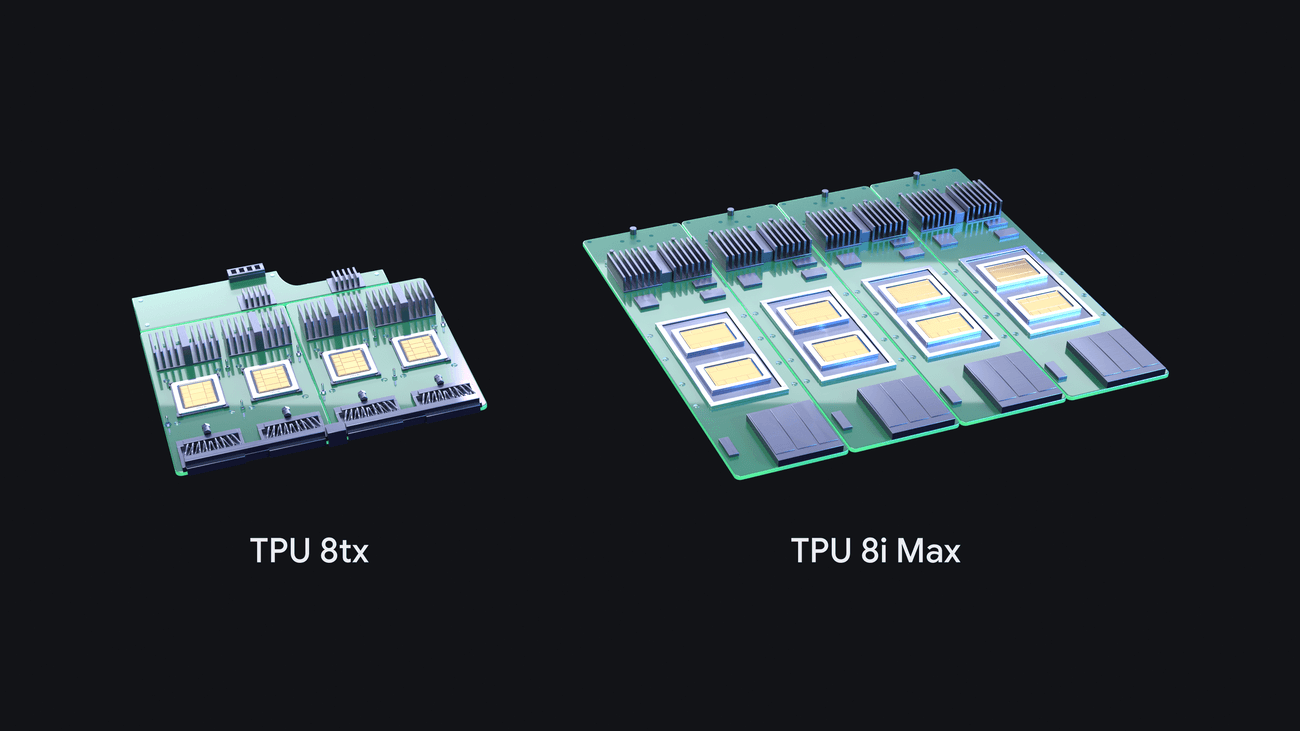
Google launches TPU 8tx and 8i Max for the AI agent era
Google announces TPU 8tx for confidential inference and 8i Max for massive contexts, completing four systems in the eighth generation in a single year.

Marcelo Santiago
Criador do bridgecode
The biggest AI newsletter in the World
Get AI articles in your inbox
Technical curation on models, agents and coding tools. No spam, unsubscribe anytime.
The motivation is the change in workload profile. AI agents do not just answer questions: they execute tasks in multiple steps, access sensitive data and process huge contexts, like entire codebases or hours of video. Generic hardware does not meet these two extremes.
In this article you will see:
- What TPU 8tx is and who it serves
- What TPU 8i Max is and how it solves the memory bottleneck
- How the four systems complement each other
- What changes for those building agents
TPU 8tx: confidential inference with hardware level security
TPU 8tx is the third system of the eighth generation. It is optimized for secure and confidential inference, and also serves small scale training. The target audience is regulated companies and governments that run frontier or proprietary models alongside sensitive data and autonomous agents.
The differentiator is security at the hardware level. Normally, data is encrypted at rest and in transit, but it needs to be unlocked in memory during processing. TPU 8tx keeps data and model weights protected and isolated even during active use, building security directly into the hardware layer.
The system uses the same silicon as TPU 8t, with fifth generation AMD EPYC CPU hosts, and adopts the Boardfly low latency network created for real time reasoning. The result is up to 2 times less latency compared to TPU 8t, with a performance penalty close to zero.
As the system combines training compute with a fast inference network, organizations can simultaneously run and customize models on a single system: fine tuning with private data, distillation of large models into smaller ones and agent training via reinforcement learning, without migrating sensitive data between clusters.
TPU 8i Max: double compute and memory in the same space
TPU 8i Max solves a different problem: the memory wall. When dozens of agents work together on an entire codebase or hours of video, memory bandwidth quickly becomes a bottleneck.
The solution was to combine two low latency TPU 8i chips in a single package. 8i Max delivers double the compute, double the SRAM and double the HBM bandwidth compared to 8i, keeping processors fed with essential data and preventing large workloads from stalling.
As 8i Max fits double the silicon in the same rack space, data centers can deploy significantly more compute power per square meter and per watt.
How the four systems complement each other
Together, the four eighth generation systems cover every stage of the agentic lifecycle. TPU 8t serves for training at scale, with superpods of up to 9,600 chips. TPU 8i is optimized for real time reasoning, with 80% better performance per dollar in low latency inference for MoE models. TPU 8tx covers confidential compute for regulated companies. TPU 8i Max handles massive context windows and maximum compute density per rack.
This is the first time Google has introduced four TPU systems in a single year. The company also reinforces its commitment to open software: support for PyTorch, open source tools and automation for developers, with the goal of making TPUs accessible to every developer and cloud customer.
How to test the TPU 8tx and 8i Max today
The announcement does not include direct access instructions. Google directs interested parties to the TPUs page on Google Cloud and to the live presentation streamed on the day of the announcement.
For teams already using TPUs in the cloud, it is worth tracking regional availability updates and the new consumption plans the company mentioned, including Agent Compute Engine as an API for cloud customers. Teams running agents with long contexts should evaluate whether 8i Max reduces the need to partition context across multiple chips.
Frequently asked questions about Google's TPU 8tx and 8i Max
What is the TPU 8tx?
It is the third system in Google's eighth generation TPU, optimized for secure and confidential inference, with hardware level security and up to 2 times less latency than the TPU 8t.
What is the TPU 8i Max?
It is the fourth system in the eighth generation, which combines two TPU 8i chips in one package to deliver double compute, SRAM and HBM bandwidth, aimed at massive context windows.
How many systems does the eighth generation TPU have?
Four: TPU 8t for training at scale, TPU 8i for real time reasoning, TPU 8tx for confidential computing and TPU 8i Max for massive contexts.
Why did Google launch four systems in one year?
The company says it is the first time it has introduced four TPU systems in a single year, responding to the change in workload profile of AI agents.
Are the systems already available?
The announcement does not detail availability or pricing. Google streamed a live presentation the same day with more information.
What changes for those building agents
For those developing AI agents in production, the message is that infrastructure is becoming more specialized. Data security, reasoning latency and context scale are no longer trade offs and now have dedicated hardware.
System availability and pricing were not detailed in the announcement. Google also streamed a live presentation on the same day with more details. Those following AI infrastructure can compare with the Google Antigravity gaining voice mode to guide agents and with the Gemini Omni 1.2 Flash generating videos of up to 15 seconds.
The announcement also highlights that TPUs already have nearly 100 external customers and that the eighth generation offers up to 2.7 times better training performance and 80% better performance per dollar in inference compared to the previous generation. This puts Google's infrastructure in a position to compete directly with accelerator offerings from NVIDIA and AMD in the agents segment.
Source: Google
Tags:#Google#TPU#infraestrutura#agentes#hardware
Developer and creator of bridgecode, an agentic development environment for orchestrating squads of AI agents. Helps people going from vibe coding to professional development move from idea to shipped product.
Related articles
Newsletter
Automattic brings vibe coding apps together on a platform to publish to the web
Automattic brings vibe coding apps together on a platform to publish apps to the web. See how it works and what changes for teams that build with AI.
4 min
Newsletter
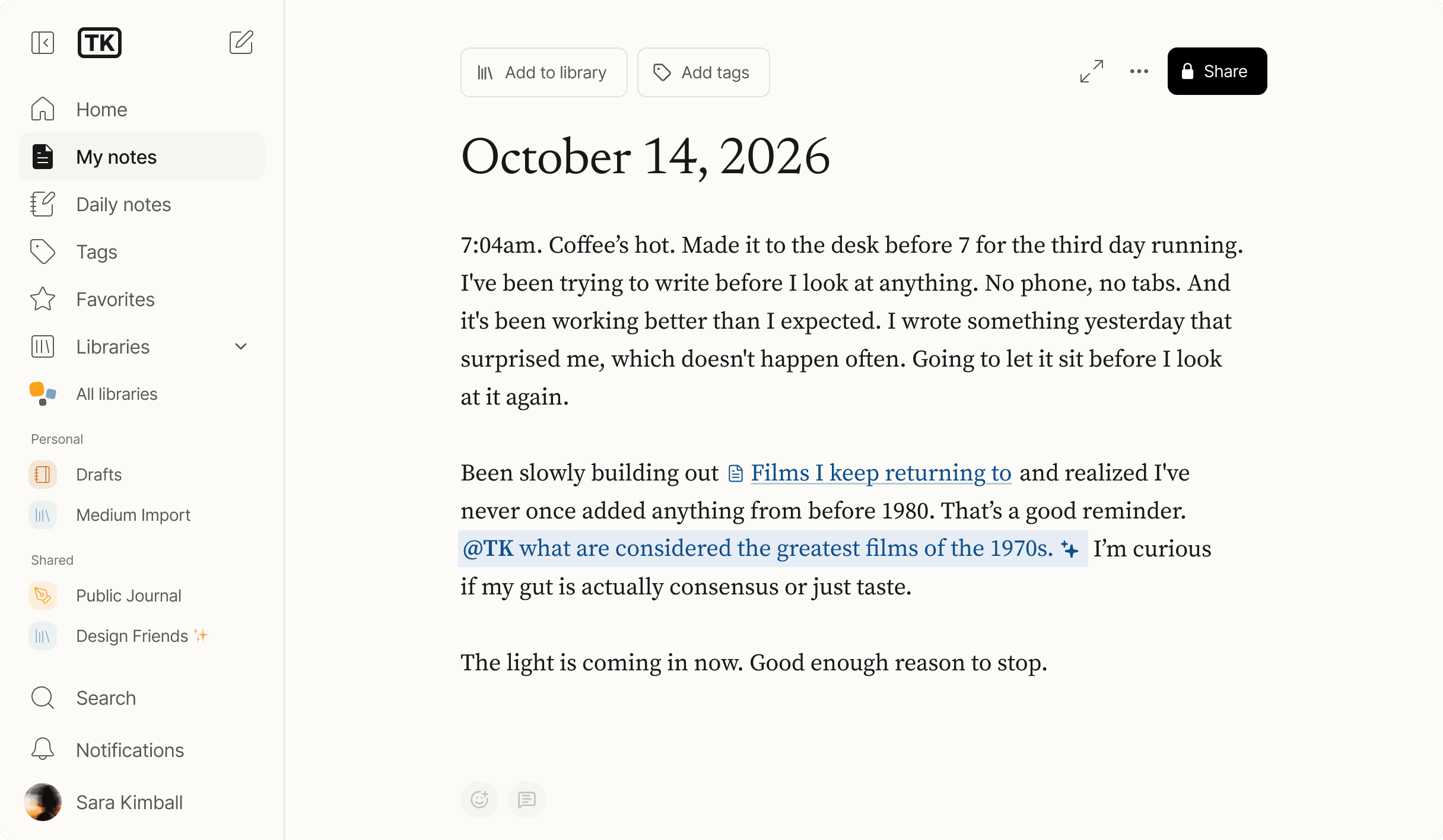
Medium launches TK, a notes app with AI in the editor
Medium launched TK, a notes and writing app with an AI assistant built into the editor. See how it works and what changes for writers.
6 min
Newsletter
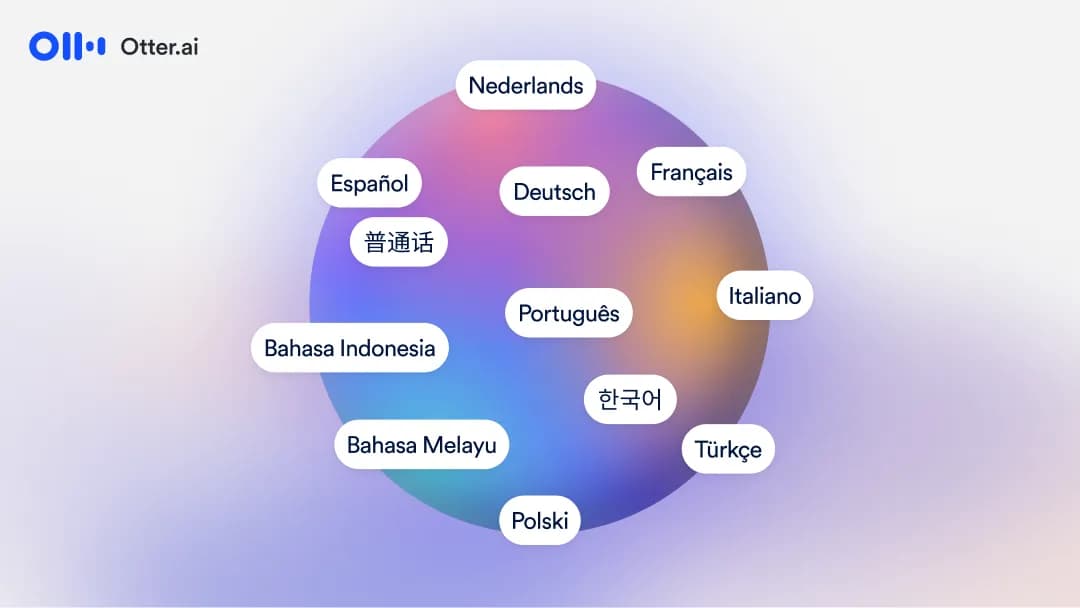
Otter.ai launches biggest multilingual expansion in its history
Otter.ai announced 27 new languages and multilingual transcription that follows language switching within the same meeting. See what changes and how to test it.
6 min