
Automattic, owner of WordPress and Nobara, spent a decade dominated by AI giants like OpenAI and Google. Now the company signals a new focus: bringing together AI agents that write code into a single publishing platform.
Newsletter4 min
Automattic brings vibe coding apps together on a platform to publish to the web
Automattic brings vibe coding apps together on a platform to publish apps to the web. See how it works and what changes for teams that build with AI.

Marcelo Santiago
Criador do bridgecode
The biggest AI newsletter in the World
Get AI articles in your inbox
Technical curation on models, agents and coding tools. No spam, unsubscribe anytime.
The announcement landed on TechCrunch and marks a turning point. Instead of switching between editors, servers and dashboards, teams that build with code agents will be able to orchestrate delivery directly from the cloud. The goal is to lower the barrier to entry for those who want to produce with AI, without losing control over publishing.
All of this happens at a time when vibe coding has caught developers' attention. The trend showed that AI agents can deliver code faster. But the question was whether it would work in production. Automattic's new platform answers that.
What the new platform is
Automattic's platform is an AI agent orchestrator. Each agent has a defined role: one plans, another builds and another tests. They work in parallel, in isolated spaces, without stepping on each other's code.
The idea goes beyond a new editor. The company wants to offer a unified flow where creators and builders can work in parallel, without depending on the UI of a single tool. The orchestrator regulates the work and tracks each step, all coming from the company itself.

How it works
The architecture delegates work to specialist agents. Each agent has an isolated space, with its own model, CLI and account keys. No crossing borders: one agent's code does not invade another's.
This way the team avoids the common mistake of a generic agent that tries to do everything and ends up doing it poorly. Instead, each one specializes: one designs, another implements, another verifies. The result is more reliable, with less rework.
What changed for programmers
The flow that usually takes hours of configuration can be reduced. With agents that communicate with each other, delivering an entire project can be split among specialists, each in their own environment. The orchestrator regulates the content and tracks each step.
While other tools focus on a single task, Automattic's solution unites planning, execution and testing. That is the difference that allows delivering more with less rework. We are not discussing a new menu item, but a new way to assemble the dish.
For programmers, this means less routine and more focus on the product. The interface does not depend on a specific editor, which leaves people comfortable with their favorite editor, whether it is VS Code or Antigravity.
How to test today
There is still no guarantee of immediate access, but it is possible to follow the official documentation. The tip is to start with one agent, test the integration with Codex and then add Claude Code. The step by step is simple: prepare the model key, create the squad and evaluate the delivery.
Practical tip: use the reference on how browser-use connects agents to a browser to understand the orchestration pattern. At bridgecode, the flow is the same, with isolated worktrees and automated tests. 5 tips to automate the browser with browser-use 1.0 LangGraph in practice: how to structure cyclic graphs and check state OpenCode v2.2.6: shared MCP, worktrees and archived runs
Frequently Asked Questions
- What is Automattic's new platform?
It is an AI agent orchestrator for publishing vibe coding apps to the web, running in isolated spaces with CLIs and its own models.
- Best for what type of person?
For devs and teams that orchestrate AI agents day to day, from support to production, in isolated spaces and with automated tests.
- And editor compatibility?
The platform does not replace the editor. Integrate the Codex and Claude Code agents in the same flow, without depending on a specific IDE.
- What to watch before adopting?
Confirm model licenses, connection security and workflow, without skipping reading the bridgecode guide.
Conclusion
The entry of a new player in the AI agents ecosystem gains strength when it reduces the barrier to entry. For those who write code daily, the solution Automattic announces unifies creators and builders, all in one place and with continuity from the company itself.
Those following the AI agents ecosystem have probably noticed the movement around orchestration, isolated repositories, synchronized environments and code verification. Automattic's entry expands the category and proves the industry is anticipating the limits of AI assisted production.
Frequently asked questions about the Automattic platform
What is Automattic's new platform?
It is an orchestrator for AI agents to publish vibe coding apps to the web, running in isolated environments with CLIs and proprietary models.
Who is it best for?
For devs and teams that orchestrate AI agents day to day, from support to production, in isolated environments with automated tests.
What about editor compatibility?
The platform does not replace the editor. It integrates the agents from Codex and Claude Code into the same workflow, without depending on a specific IDE.
What to watch out for before adopting?
Confirm the model licenses, connection security and workflow, without skipping the guide from bridgecode.
How to orchestrate agent squads on bridgecode
Have a project idea? Put multiple agents to work in parallel: build your squad on bridgecode and accelerate development without friction.
Tags:#radar#ia
Developer and creator of bridgecode, an agentic development environment for orchestrating squads of AI agents. Helps people going from vibe coding to professional development move from idea to shipped product.
Related articles
Newsletter
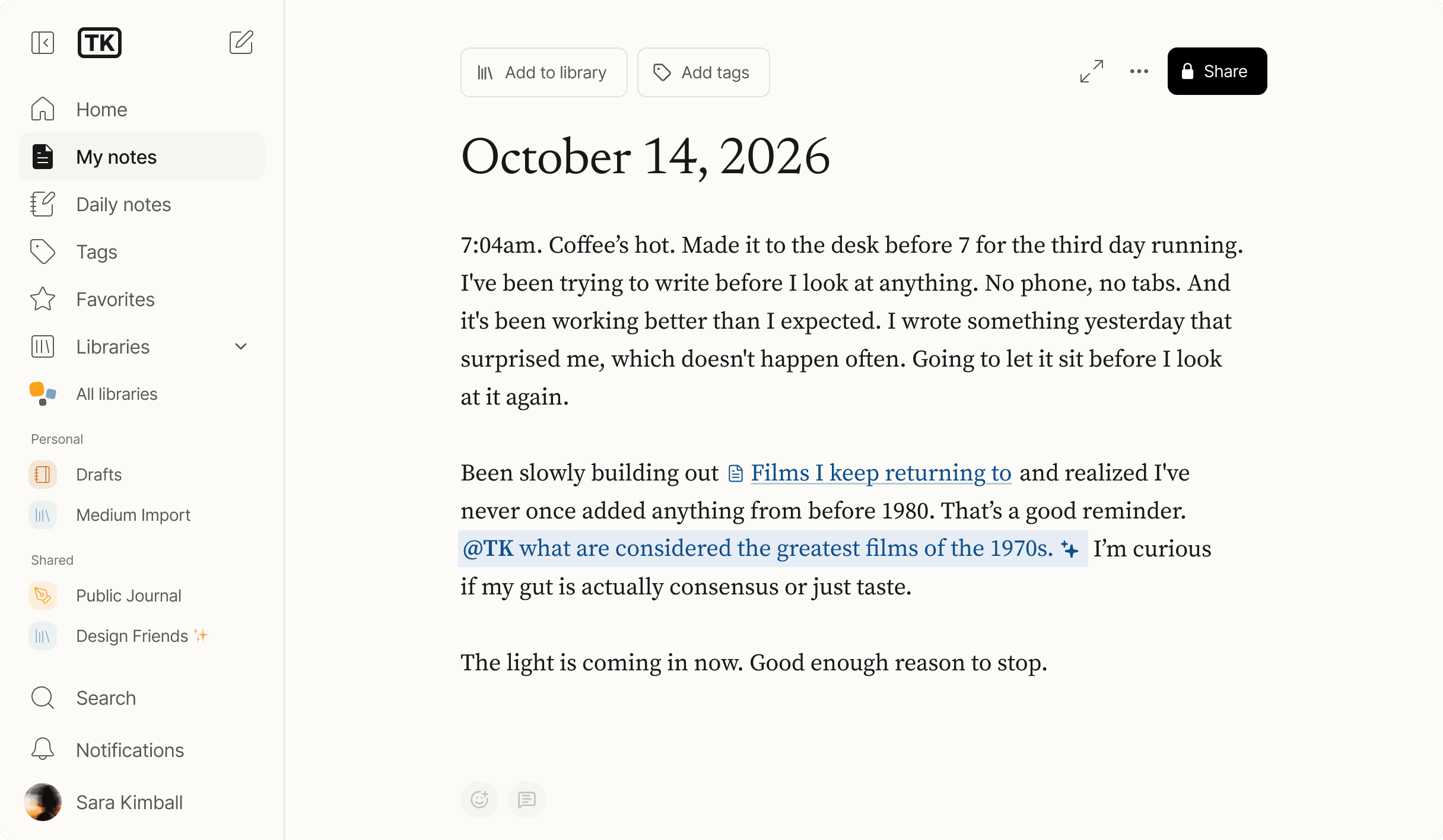
Medium launches TK, a notes app with AI in the editor
Medium launched TK, a notes and writing app with an AI assistant built into the editor. See how it works and what changes for writers.
6 min
Newsletter
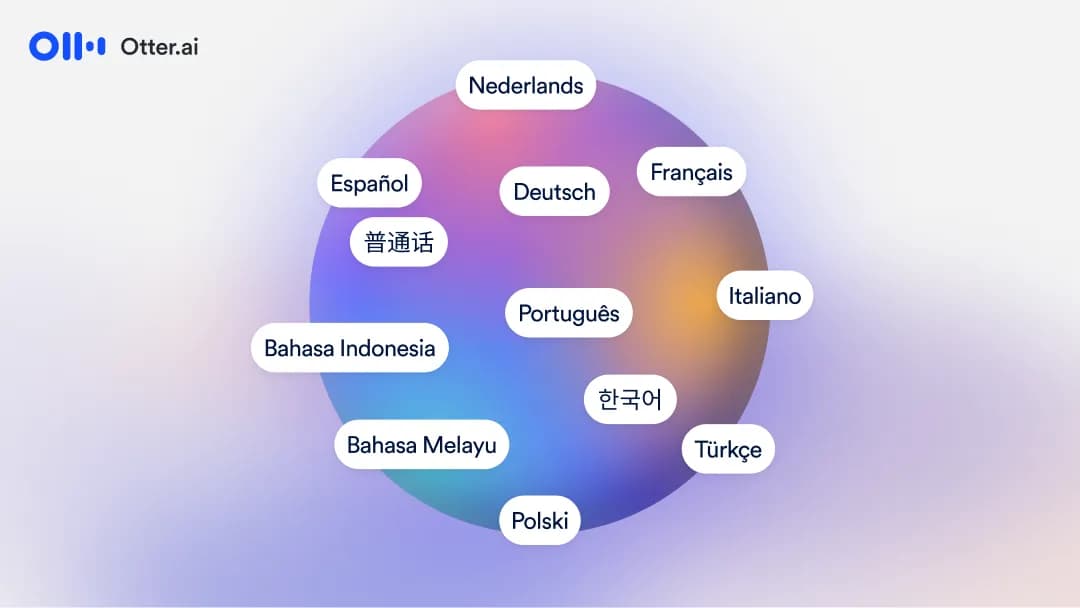
Otter.ai launches biggest multilingual expansion in its history
Otter.ai announced 27 new languages and multilingual transcription that follows language switching within the same meeting. See what changes and how to test it.
6 min

Newsletter
Meta launches Muse Ember, a lightweight model for AI agents
Meta launched Muse Ember, the lightest and most cost efficient model in the Muse family, built for the repetitive tasks AI agents run all day. See the numbers and what changes.
6 min