
Claude Fable 5.2 and Mythos 5.2: Anthropic launches faster and cheaper models
Claude Fable 5.2 and Mythos 5.2: Anthropic launches faster, cheaper models
Anthropic launches Claude Fable 5.2 and Mythos 5.2 with 20 percent lower pricing, 30 percent faster responses and self reported benchmarks. See what changes.

Marcelo Santiago
Criador do bridgecode
The biggest AI newsletter in the World
Get AI articles in your inbox
Technical curation on models, agents and coding tools. No spam, unsubscribe anytime.
Anthropic launched on November 9, 2026 Claude Fable 5.2 and Claude Mythos 5.2, two versions of the same base model with different protection levels. Fable 5.2 is available to the general public and Mythos 5.2 is restricted to verified organizations in the areas of cybersecurity and life sciences. The main novelty is cost and speed: Anthropic charges $8 per million input tokens and $40 per million output tokens, 20 percent below Fable 5.1, and promises responses up to 30 percent faster. Anthropic had already been expanding Claude for businesses; see Claude Enterprise releases reports, research and budgets.
In this article you will see:
- What changed in Fable 5.2 and Mythos 5.2 compared to the previous version
- How much it costs to run the new models and when to use fast mode
- The benchmark results Anthropic released and what they mean
- How to test Fable 5.2 today on the API and in the clouds
What is Claude Fable 5.2 and Claude Mythos 5.2
Claude Fable and Claude Mythos are the same base model, with the same reasoning, coding and vision capabilities. The difference is in the protections. Fable 5.2 comes with strong barriers against use in cybersecurity and biology, which allows Anthropic to release it to everyone. Mythos 5.2 keeps lighter protections for approved organizations in the cybersecurity and life sciences verification programs. In practice, a development team uses Fable 5.2 day to day and turns to Mythos 5.2 only when work requires vulnerability analysis or biomedical research.
Context is 1 million tokens, with up to 128 thousand output tokens per request. Input accepts text and image. Anthropic also included an optional fast mode that accelerates token generation up to 2.5 times, for $16 per million input tokens and $80 per million output tokens.
Price and speed of the new models
Base price fell from $10 to $8 per million input tokens and from $50 to $40 per million output tokens. Batch pricing is $4 and $20 respectively. For comparison, Claude Opus 5.5, which Anthropic recommends as the daily engine for most coding work, costs $4 and $20. Fable 5.2 costs double per token, but delivers higher results on long and complex tasks.
Generation speed increased up to 30 percent compared to Fable 5.1. Anthropic also says Fable 5.2 communicates more clearly and has about 55 percent fewer safety blocks than the previous version. Blocked requests in cybersecurity fall to Opus 4.8 and in biology fall to Opus 5. The internal Anthropic code benchmark can be compared with other results; see Construction AI Leaderboard: Claude Opus 5.5 leads in 5 axes.
Benchmarks released by Anthropic
All numbers below are self reported by Anthropic in internal tests. They serve as a signal, not as independent proof.
- Remote Labor Index: 41.3 percent versus 21.3 percent for Opus 5.5.
- SWE bench Pro: 93.0 percent versus 89.9 percent.
- FrontierSWE v2: 69.9 percent versus 62.3 percent.
- Humanity's Last Exam with tools: 74.2 percent versus 67.7 percent.
- RoboDojo Sim at maximum effort: 64.9 percent versus 27.6 percent for Fable 5.1.
- FrontierCode 2.0 at maximum effort: 49.1 percent, which Anthropic describes as the highest score of any released model they tested.
Where Fable 5.2 loses to Opus 5.5: ProgramBench, with 85.6 versus 91.2 percent, and the GDPval AA index, with 1831 versus 1866 Elo points. The difference on Terminal Bench 4.0, 67.6 versus 66.4 percent, is within the margin of error. Anthropic recommends Opus 5.5 as the daily engine for most coding and knowledge work.
Use cases highlighted by Anthropic
During pre-launch testing, Anthropic reports that Fable 5.2 helped engineers complete software migrations that would otherwise be unfeasible, designed three electronic devices from scratch, solved two open problems in black hole physics, made substantial progress on robotics evaluations and formalized a proof of Fermat's Last Theorem in 30 hours with a team of a thousand agents. These are company claims, with no independent replication so far.
How to test Claude Fable 5.2 today
Fable 5.2 is available today across all platforms, including Amazon Web Services, Google Cloud and Microsoft Azure. Developers can get started with the identifier claude fable 5 2 on the Claude platform. The API accepts text and image, with a 1 million token context.
For teams already using Opus 5.5, the natural path is to keep Opus 5.5 as the daily engine and reserve Fable 5.2 for long tasks, migrations and multi-step problems, where the higher score justifies the higher cost per token.
Mythos 5.2 requires approval in the cybersecurity and life sciences verification programs. Interested organizations can apply through those programs.
Frequently asked questions about Claude Fable 5.2
What is Claude Fable 5.2?
It is the new version of Claude Fable launched by Anthropic on November 9, 2026, with lower pricing, faster responses and a 1 million token context.
What is the difference between Fable 5.2 and Mythos 5.2?
They share the same base model. Fable 5.2 has strong safeguards and is open to the public. Mythos 5.2 has lighter safeguards and is restricted to verified organizations in cybersecurity and life sciences.
How much does Claude Fable 5.2 cost?
8 dollars per million input tokens and 40 dollars per million output tokens. Fast mode costs 16 and 80 dollars respectively.
Is Fable 5.2 faster than the previous version?
Yes. Anthropic promises responses up to 30 percent faster than Fable 5.1.
When to use Fable 5.2 instead of Opus 5.5?
Use Fable 5.2 for long and complex tasks. For day to day work, Anthropic recommends Opus 5.5.
Conclusion: what changes for day-to-day AI users
Fable 5.2 is Anthropic's most capable model for long tasks, with a lower price and higher speed than the previous version. At the same time, Anthropic itself admits that Opus 5.5 remains the best choice for most daily work. The practical decision is simple: use Opus 5.5 for normal workflow and Fable 5.2 when the task requires deep reasoning or complex migration.
Claude Fable 5.2 caught your attention? Put this news to work in an AI agent squad, each one in its role.
Source: Anthropic
Tags:#Claude#Anthropic#Fable 5.2#Mythos 5.2#IA
Developer and creator of bridgecode, an agentic development environment for orchestrating squads of AI agents. Helps people going from vibe coding to professional development move from idea to shipped product.
Related articles

Newsletter
Automattic brings vibe coding apps together on a platform to publish to the web
Automattic brings vibe coding apps together on a platform to publish apps to the web. See how it works and what changes for teams that build with AI.
4 min
Newsletter
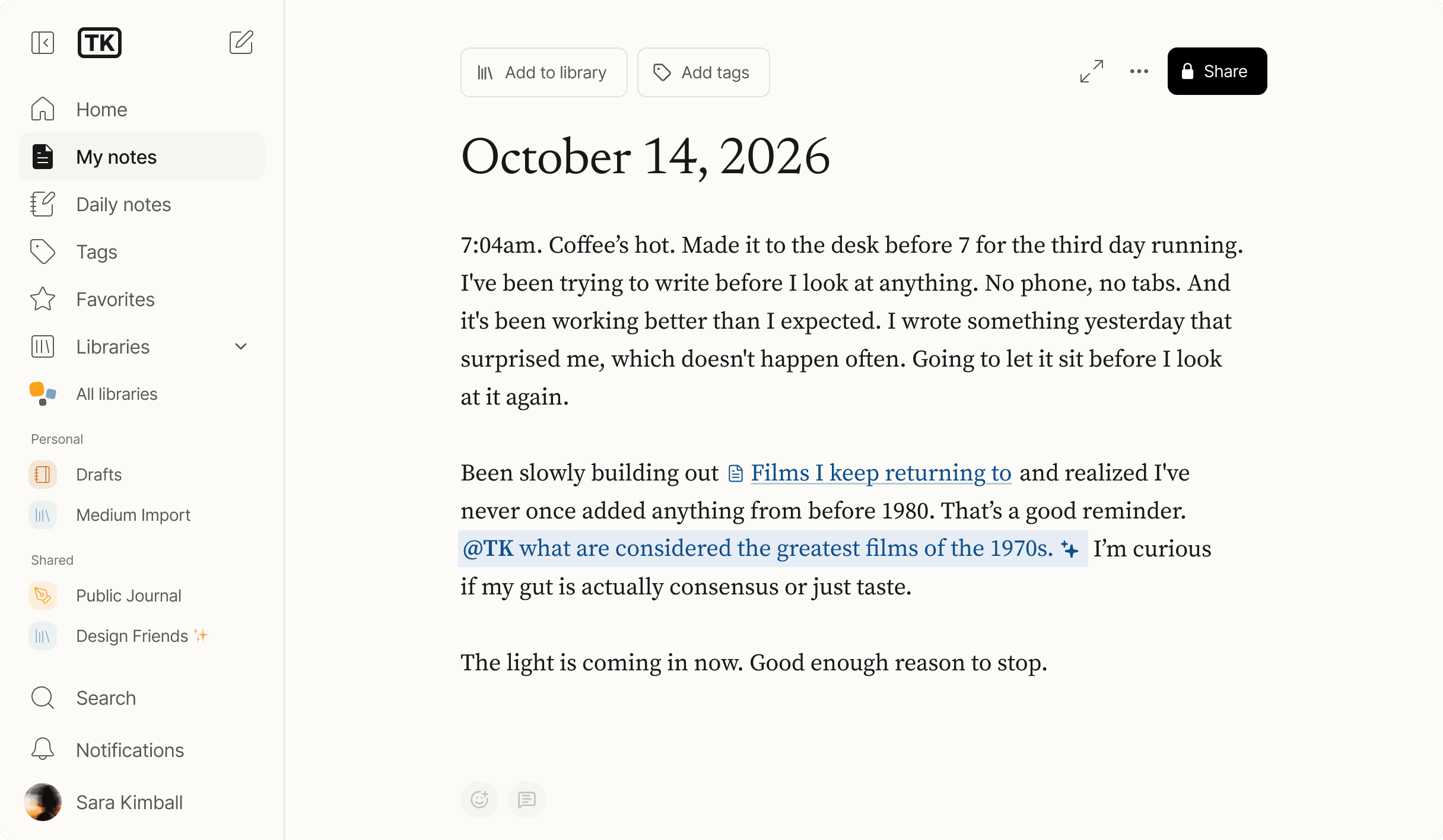
Medium launches TK, a notes app with AI in the editor
Medium launched TK, a notes and writing app with an AI assistant built into the editor. See how it works and what changes for writers.
6 min
Newsletter
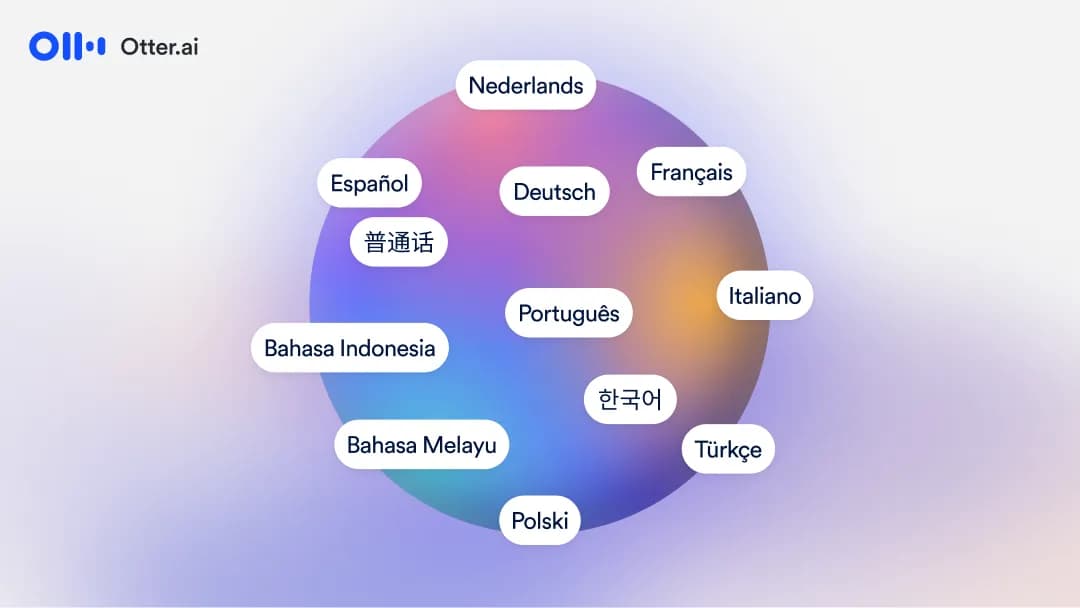
Otter.ai launches biggest multilingual expansion in its history
Otter.ai announced 27 new languages and multilingual transcription that follows language switching within the same meeting. See what changes and how to test it.
6 min