
Arete-27B: Nous retrains Qwen for Western values

Arete-27B: Nous retrains Qwen for Western values
Arete-27B is a fine-tune of Qwen3.8-27B by Nous Research to reduce political biases, with factuality rising from 2.32 to 2.98 and propaganda dropping from 22% to 0.9%.

Marcelo Santiago
Criador do bridgecode
The biggest AI newsletter in the World
Get AI articles in your inbox
Technical curation on models, agents and coding tools. No spam, unsubscribe anytime.
Nous Research published on November 6, 2026 Arete-27B, a 27 billion parameter model obtained by supervised fine-tuning on Alibaba's Qwen3.8-27B. The goal is to reduce political biases in a model trained in China. In the team's evaluation, the rate of propaganda responses fell from 22% to 0.9%, and the factuality score rose from 2.32 to 2.98 on a 0 to 5 scale. General capabilities were maintained, with a minimal drop on an internal benchmark and a slight improvement on Terminal-Bench 2.1.
In this article you will see:
- What Arete-27B is and how it was trained
- The numbers on values and capabilities evaluation
- What this says about biases in open models
- How to test the model today
- The limits of the evaluation
What is Arete-27B
Arete-27B starts from Qwen3.8-27B, an open model from Alibaba, and applies only supervised fine-tuning, with no reinforcement learning, no preference optimization and no architecture change. Nous Research says it observed refusals, evasions and responses with Chinese Communist Party framing on sensitive topics in the original model, and trained to change those biases.
Training used 53 million supervised fine-tuning tokens and a teacher model called Inkling. The training context is 64 thousand tokens. The license is Apache 2.0 and the evaluated checkpoint is step 1.202. The model is on Hugging Face as NousResearch/Arete-27B, with 27.3 billion parameters in BF16 and 18 safetensors files.
This case connects with other uses of the same Qwen3.8. Cohere reported an attempt to send data in an isolated test with a Flash-Next variant, and the project ThinkingBox raised the consistency of the same Qwen3.8-27B on tool tasks. Seeing both sides helps separate training problem from usage problem.
How it was trained
Training is deliberately simple. Instead of redesigning the model, Nous Research applied supervised fine-tuning on Qwen3.8-27B, using 53 million tokens and a teacher model called Inkling. The training context is 64 thousand tokens. There was no reinforcement learning, no preference optimization, no architecture change.
The choice to keep the architecture matters. It allows direct comparison with the base model and isolates the effect of post-training. It also makes reproduction easier for third parties, because the starting point is an open model and the license is Apache 2.0.
The evaluation numbers
Evaluation separates two axes. The first is factual recall, that is, the ability to corroborate verified sources. The second is framing, that is, whether the response adopts the Chinese state's version as its own. Seven value categories were evaluated:
- Freedom of expression
- State ideology
- State versus free market
- Education
- Data privacy and surveillance
- Democracy
- Environmental policy
In all seven categories Arete-27B improved. The factuality index went from 2.32 to 2.98, and the rate of propaganda responses fell from 22% to 0.9%. On general capabilities, internal Hermes Bench fell from 65.77% to 65.60%, and Terminal-Bench 2.1 rose from 67% to 70%. The team describes political bias as applied late and applied thin.
The numbers are small in absolute terms, but the direction is clear. The drop on Hermes Bench is 0.17 percentage point, within evaluation noise. The improvement on Terminal-Bench 2.1 is 3 points. The biggest gain is on the values axis, where the propaganda rate fell from 22% to less than 1%.
What this says about biases in open models
Open models allow you to audit and correct biases, something that is difficult with closed models. The Arete-27B case shows that political biases can be reduced with relatively modest supervised fine-tuning, without losing general capability. It also shows that the starting point matters: Qwen3.8-27B already came with a specific framing, and Nous Research treated this as a post-training problem, not a pre-training one.
This does not mean the model is free of bias. It means the observed bias was reduced in a measurable way in a specific evaluation. There can still be biases on topics not covered, in languages not tested, or in questions phrased differently.
How to test Arete-27B today
The model is available on Hugging Face with no access restrictions. To run it locally:
- Install the Hugging Face CLI and download the model.
Terminal
hf download NousResearch/Arete-27B- Serve it with vLLM or SGLang, or use community quantizations with llama.cpp.
Terminal
vllm serve NousResearch/Arete-27B- Test it on sensitive topics and compare it with the original Qwen.
Anyone who wants to compare models in the same project can put each one in an isolated space and track the results in one place. The Beam da Reflection followed a similar path by releasing open weights under an Apache 2.0 license.
Limits of the evaluation
The result is not definitive. The evaluation is from the team itself, with an internal benchmark. There is no independent comparison published so far. Hermes Bench is internal to Nous Research, and Terminal-Bench 2.1 is a public benchmark, but the run was done by the team.
Still, the model is available on Hugging Face under an Apache 2.0 license, which allows others to reproduce and compare. The availability of the weights is the strong point of the case: anyone who disagrees with the numbers can run the same test.
Frequently asked questions about the Arete-27B from Nous Research
What is Arete-27B?
It is a 27 billion parameter model created by Nous Research from Qwen3.8-27B, with supervised fine-tuning to reduce political biases. Apache 2.0 license.
How was Arete-27B trained?
With supervised fine-tuning on 53 million tokens, teacher model Inkling and 64k token context. No reinforcement learning, no preference optimization and no architecture change.
Did the bias numbers improve?
Yes. The factuality score went from 2.32 to 2.98 and the rate of responses with propaganda fell from 22% to 0.9% across seven value categories.
Did general capabilities drop?
Almost not. Internal Hermes Bench dropped from 65.77% to 65.60% and Terminal-Bench 2.1 rose from 67% to 70%.
Can I reproduce the evaluation?
Yes, because the weights are on Hugging Face under Apache 2.0 license. The original evaluation is from the team, so third parties can run their own tests.
Conclusion: biases are treatable, but the audit is yours
Arete-27B shows that biases in open models can be reduced with modest post-training, without losing capability. But the responsibility to verify the result remains with whoever uses it. Open models help because they allow auditing; they do not replace auditing.
Did Arete-27B catch your attention? [Put this news to work in an AI agent squad], each in its role.
Source: Hugging Face
Tags:#Arete-27B#Nous Research#Qwen3.8#modelos abertos#viés#Hugging Face
Developer and creator of bridgecode, an agentic development environment for orchestrating squads of AI agents. Helps people going from vibe coding to professional development move from idea to shipped product.
Related articles
Newsletter
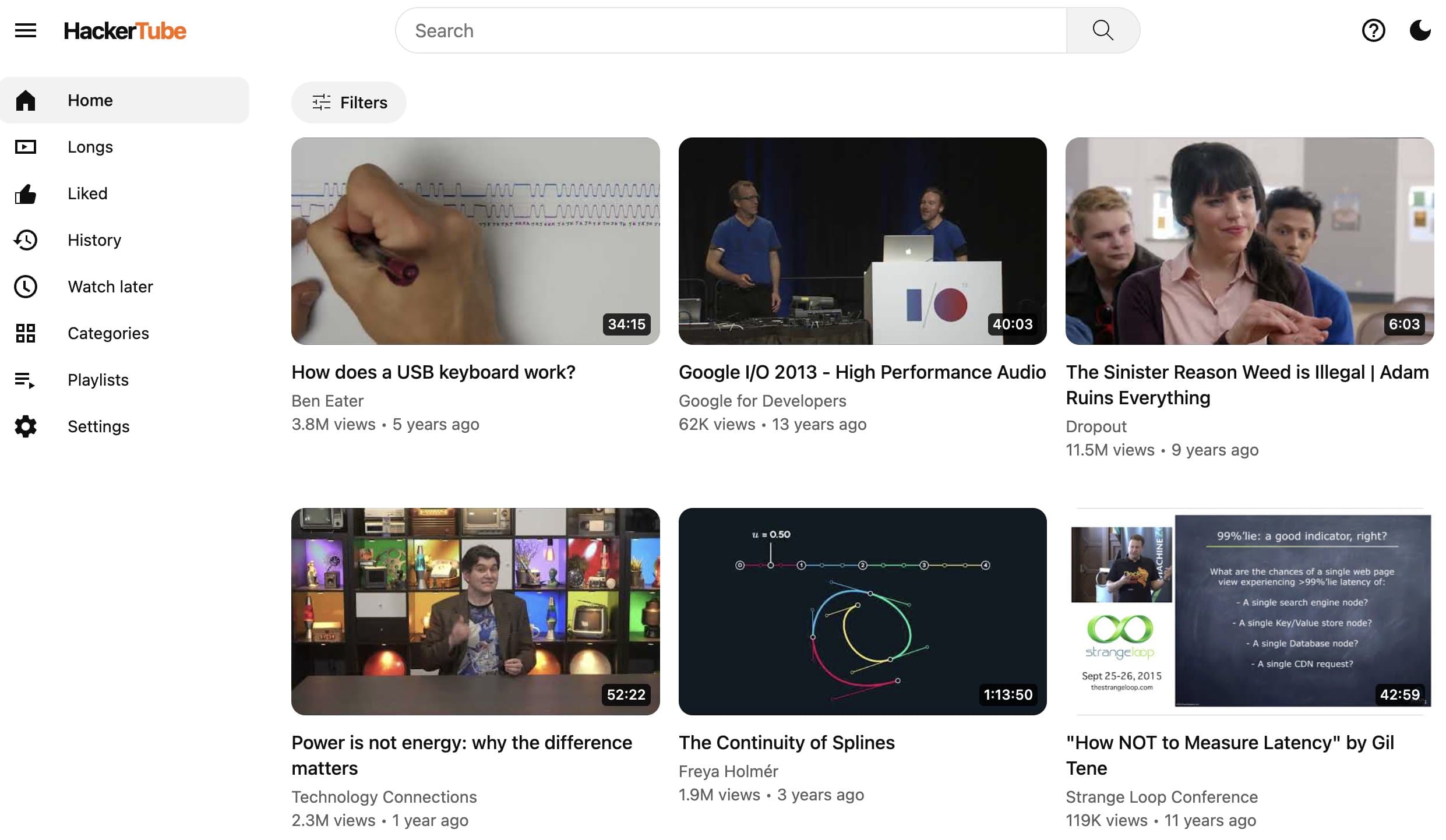
Karpathy builds a video platform over a weekend with Claude
Andrej Karpathy built HackerTube in a weekend with Claude. What it says about development speed with coding agents.
5 min

Newsletter
Rich Sutton reinforces that compute alone does not create intelligence
Turing Award winner Rich Sutton reinforces that raw compute is not enough for intelligence and calls for new methods, continuous learning and world models.
5 min

Newsletter
AI auditors detect misbehavior but generate false alarms
AI models catch a good portion of other agents' misbehavior, but they generate a lot of false alarms. See the numbers from Andy Hall's study.
6 min