
On October 22, 2026, at 7:01 p.m. Brasília time, Anthropic published a study on Claude and formal verification. The team reports proofs for 123 C and C++ libraries, but did not announce a new model.
Claude Verifies 123 Libraries with Formal Proofs
Anthropic reports using Claude and Rocq to verify 123 C and C++ libraries, covering 239 entry points in a security program.

Marcelo Santiago
Criador do bridgecode
The biggest AI newsletter in the World
Get AI articles in your inbox
Technical curation on models, agents and coding tools. No spam, unsubscribe anytime.
In this article you will see:
- What it means to formally verify a program.
- The scale of the study conducted by Anthropic.
- The limits of the proofs described in the report.
How Claude and Rocq produce formal proofs
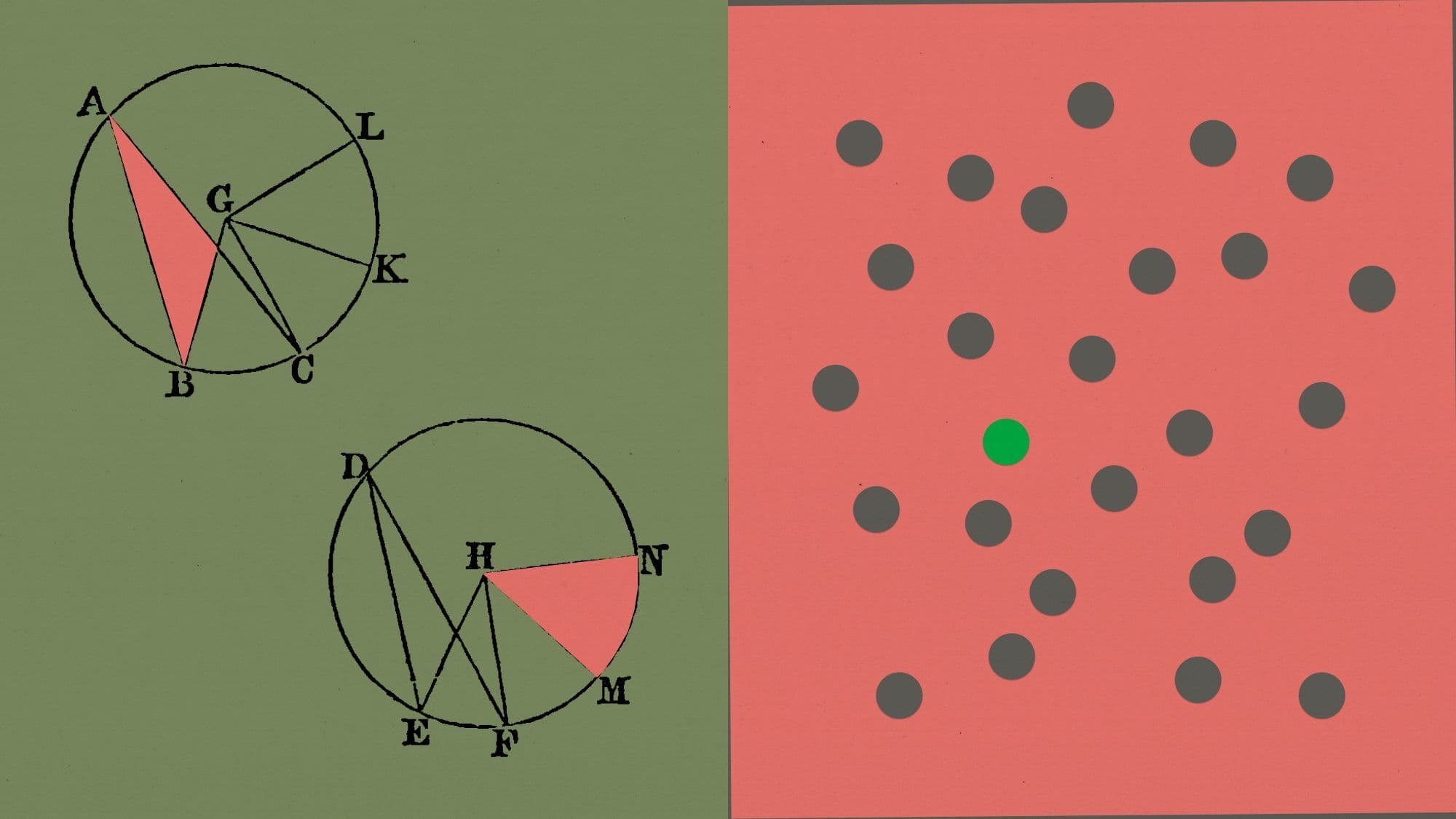
Formal verification is the use of mathematical proofs to demonstrate specified properties of a program. Anthropic combined Claude with Rocq, a system that checks whether each proof follows the defined logical rules.
The team describes the work in its engineering report on formal verification. Claude produces the proofs, and the Rocq kernel verifies the steps against the specification.
Image: Anthropic.
Anthropic applied the method to 123 libraries
The report covers 123 open source libraries and 239 test entry points from OSS-Fuzz. The team says the proofs in Rocq total about 180 million lines, not lines of original source code.
The binaries were compiled for RISC-V. The proof of absence of memory faults and unexpected terminations holds for inputs up to 64 MB and depends on specific assumptions about the operating system, memory and execution.
Fuzzing is a technique that tests programs with varied inputs to find bugs. For another example of AI applied to code security, see how OpenAI described the discovery of critical vulnerabilities in PHP](https://bridgecode.app/blog/newsletter/gpt-5-6-sol-ajuda-a-detectar-falha-critica-no-php).
What Claude's proofs do not guarantee
A proof covers the formalized properties and the recorded assumptions. It does not demonstrate that the entire system is free of any kind of failure.
Anthropic says it published reliable components of the project, complete proofs for some tests and specifications for other cases. The article does not announce a public tool that automates this entire flow without review.
Frequently asked questions about formal verification with Claude and Rocq
What is formal software verification?
Formal verification uses mathematical proofs to show that a program meets specified properties, within defined assumptions.
What did Anthropic verify with Claude?
The report describes the use of Claude and Rocq on 123 open source C and C++ libraries, with 239 entry points used in fuzzing tests.
Does formal verification prove that a program has no bugs?
No. Proofs cover formalized properties and their assumptions; they do not demonstrate that any program is free of all kinds of failure.
Did Anthropic release a public formal verification tool with Claude?
No. Anthropic published an engineering study, without announcing a public tool to run the same workflow.
How formal verification can support security review
The study shows a way to scale verification of specific properties, with the prover checking the mathematical steps. The usefulness depends on the properties chosen and the components assumed to be trustworthy.
Anthropic also published recent security fixes in the Claude Code sandbox. From draft to finished product: split tasks among specialist agents and track each step of the work on bridgecode.
Source: Anthropic
Tags:#Anthropic#Claude#Rocq#verificação formal#segurança de software
Developer and creator of bridgecode, an agentic development environment for orchestrating squads of AI agents. Helps people going from vibe coding to professional development move from idea to shipped product.
Related articles
Newsletter
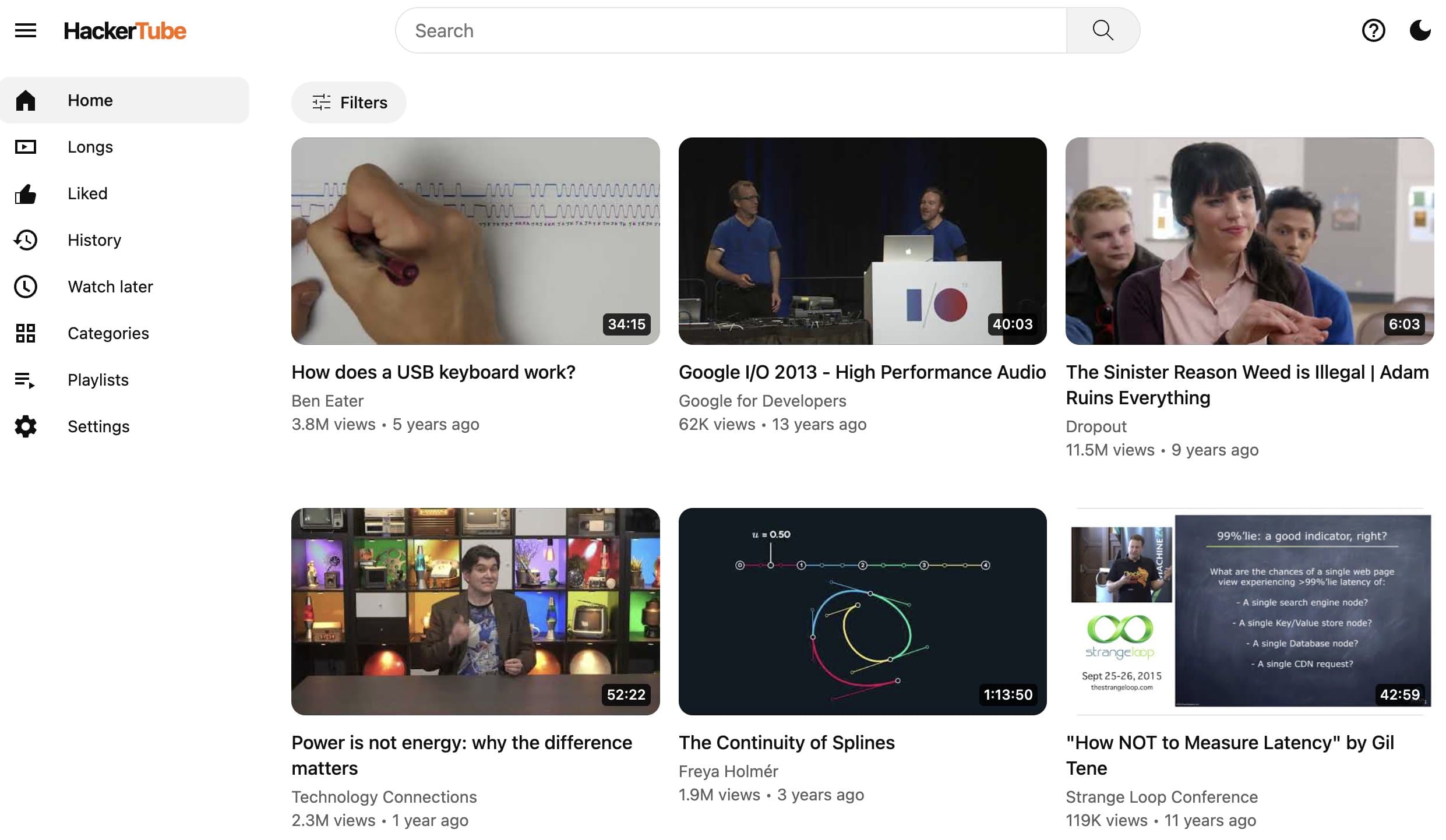
Karpathy builds a video platform over a weekend with Claude
Andrej Karpathy built HackerTube in a weekend with Claude. What it says about development speed with coding agents.
5 min
Newsletter
Rich Sutton reinforces that compute alone does not create intelligence
Turing Award winner Rich Sutton reinforces that raw compute is not enough for intelligence and calls for new methods, continuous learning and world models.
5 min
Newsletter
AI auditors detect misbehavior but generate false alarms
AI models catch a good portion of other agents' misbehavior, but they generate a lot of false alarms. See the numbers from Andy Hall's study.
6 min