
On October 28, 2026, Anthropic added ready-made artifacts to Claude for Legal. They help legal teams review contracts, track rules and organize requests, but the company itself describes the flow as a first pass that still requires a lawyer's judgment.

Claude for Legal adds six legal artifacts
Anthropic added shareable legal artifacts to Claude, with more than 60 legal connectors and final review by attorneys.

Marcelo Santiago
Criador do bridgecode
The biggest AI newsletter in the World
Get AI articles in your inbox
Technical curation on models, agents and coding tools. No spam, unsubscribe anytime.
The novelty is not a new model. They are interactive tools that teams can adapt to their own documents and connectors, share inside or outside the organization and use in Claude Enterprise.
In this article you will see:
- What Claude's legal artifacts are and how they differ from a common chat.
- Six examples from the official gallery and the tasks each one covers.
- How connectors, sources and permissions fit into the flow.
- How to explore the gallery without treating a response as a final opinion.
Claude's legal artifacts organize repetitive tasks
Anthropic defines artifacts as interactive tools, for example trackers and dashboards, that can be used and shared in Claude. In the legal gallery, each item opens with an example so the team can see how the work is organized before adding their own data.
The flow described by the company starts with documents and sources chosen by the team. Claude does a first analysis and presents the result with links to the relevant sources.
This detail changes how the response is reviewed. Instead of relying only on generated text, a lawyer can check the clause, page or rule cited and decide if the conclusion makes sense in the context of the case.
Anthropic says the artifacts were designed for specific tasks, not to replace professional responsibility. The official text states that the lawyer applies their own judgment to the results.
Six Claude for Legal artifacts cover recurring work
The gallery described by Anthropic brings together six types of tool for tasks that legal teams mentioned frequently:
- Cite check compares a legal document with its sources and flags citations that do not match, wrong page numbers and references that do not support the claim.
- Jurisdiction survey matrix compares a topic, such as data breach notice rules, across states or countries, organizing legislation and links to the source norms.
- Matter board turns engagement letters, emails or spreadsheets into a dashboard of open matters, with owner, next step and expected deadline.
- Playbook deviation board compares contracts with the company's standard terms, points out divergent clauses and routes exceptions to the person who must approve them.
- Regulatory horizon scan organizes future regulatory changes on a timeline, considering the sector and the places where the company operates, with links to the sources.
- Tabular review builds a table from contracts, highlighting terms chosen by the team, such as indemnification or non-compete clauses, with links to the corresponding text.
The list shows that the novelty is closer to a set of workflows than to a single universal tool. A team can start with the type of document they already review frequently and adapt the template to their process.
The official page also states that each output has a link to the source. This facilitates audit and review, but it does not guarantee that every document, legal context or exception has been considered.
Connectors and permissions keep work close to the sources
Anthropic says that since the launch of Claude for Legal in May, it has added more than 60 legal connectors. Cited examples include Bloomberg Law, Filevine, Ivo, Legora and Patlytics.
A connector lets you bring team sources or systems into the workflow without always relying on manually attaching documents. Availability and accessible data depend on the connections the organization has configured and the permissions granted.
Artifacts can also be shared with colleagues, clients or partners. Anthropic says sharing settings were designed to preserve privacy and support ethical barriers between teams that should not access the same matters.
For a firm, this means testing should include not only response quality, but also who can open the artifact, which sources it queries, and whether boundaries between clients and matters remain respected.
Anthropic's domain-specific tool ecosystem already shows up in other areas. On bridgecode we explain how the Claude for Nonprofits plugin brings together skills for nonprofit teams, and how inference hooks apply policies before requests reach Claude.
The two examples help separate three layers: a domain tool organizes a task, a connector retrieves permitted context, and a governance control decides whether a request can proceed. None of them replaces legal review.
How to test Claude's legal artifacts today
Anthropic guides legal teams to open the gallery in Claude or start from the Claude for Legal page. Artifacts can be discovered, tested and adapted to team work, according to organizational availability.
For an initial assessment, choose a low-risk document that already has known sources and a reference outcome. Compare the artifact output with human review and log correct citations, divergences and information that was left out.
Then add only the connectors needed for the task. Confirm with the administrator which data can be queried, who will be able to share the artifact, and whether internal confidentiality rules continue to apply.
Anthropic also published an official video about Claude for Legal. It presents the company's legal tools positioning and follows the gallery examples described in the announcement.
The organization can start with examples and test data before connecting active matters. This caution is an operational recommendation, not a guarantee offered by Anthropic.
Frequently asked questions about Claude's legal artifacts
What are Claude's legal artifacts?
They are interactive tools, such as trackers and dashboards, that teams can adapt to their own documents and connectors, use in Claude and share.
Which artifacts are in the Claude for Legal gallery?
Anthropic lists six types, including citation checking, jurisdiction matrix, matter dashboard, clause review, regulatory monitor and tabular review.
How many legal connectors does Claude for Legal offer?
Anthropic says there are more than 60 legal connectors and cites Bloomberg Law, Filevine, Ivo, Legora and Patlytics among the examples.
Do Claude's artifacts replace attorney review?
No. Anthropic describes Claude as responsible for a first pass analysis and says the attorney applies their judgment to the results.
Can Claude's legal artifacts be shared?
Yes. Anthropic says artifacts can be shared with colleagues, clients and partners, with privacy controls and ethical barriers between teams.
Claude artifacts speed up the first analysis, not the legal decision
The gallery turns common requests into reusable structures: citation checking, jurisdiction comparison, deadline tracking and tabular contract review. For legal professionals, the gain is organizing the first pass and making the path to the source clearer.
Final responsibility remains with whoever knows the case, validates the applicable law and decides the next step. Treat artifacts as reviewable support, confirm permissions and keep connectors limited to what the task actually requires.
What could an AI agent team do for your business this week? See how to build and coordinate a squad on bridgecode.
Source: Anthropic
Tags:#Anthropic#Claude for Legal#artefatos de IA#legaltech
Developer and creator of bridgecode, an agentic development environment for orchestrating squads of AI agents. Helps people going from vibe coding to professional development move from idea to shipped product.
Related articles
Newsletter
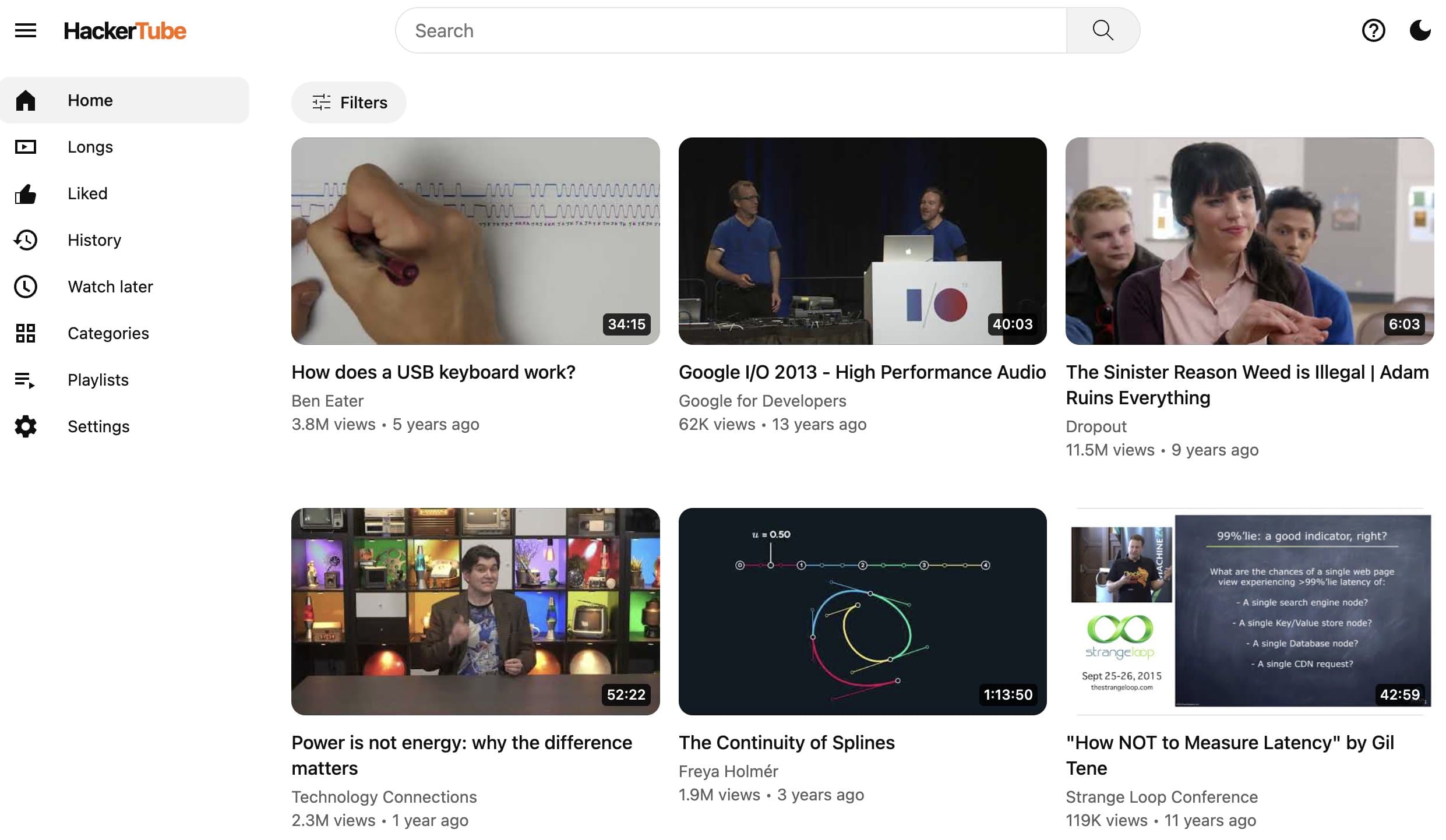
Karpathy builds a video platform over a weekend with Claude
Andrej Karpathy built HackerTube in a weekend with Claude. What it says about development speed with coding agents.
5 min
Newsletter
Rich Sutton reinforces that compute alone does not create intelligence
Turing Award winner Rich Sutton reinforces that raw compute is not enough for intelligence and calls for new methods, continuous learning and world models.
5 min
Newsletter
AI auditors detect misbehavior but generate false alarms
AI models catch a good portion of other agents' misbehavior, but they generate a lot of false alarms. See the numbers from Andy Hall's study.
6 min