
On October 27, 2026, TechCrunch reported that Bank of America sent customers a reminder not to share username and password with AI agents. The bank confirmed to the publication that the message was authentic.

Bank of America warns about sharing passwords with AI agents
Bank of America confirmed an email urging customers not to share passwords with AI agents and explaining responsibility for any activity after that access.

Marcelo Santiago
Criador do bridgecode
The biggest AI newsletter in the World
Get AI articles in your inbox
Technical curation on models, agents and coding tools. No spam, unsubscribe anytime.
In this article you will see:
- what the bank's message actually asks
- what the warning does not prohibit or confirm
- why broad access changes an agent's risk
- controls to integrate AI without exposing credentials
Bank of America sets limits on what should not be shared
The message was sent by email with the title "Protecting your finances in the AI World". The text says the bank continues investing in AI and recommends caution when external tools help manage finances.
The specific guidance is not to hand over username or password to another person or external service, including an AI agent that offers to act on behalf of the customer. The focus is complete access credentials.
The email also says the customer may be responsible for activities performed after sharing those credentials. This is the content of the warning sent by the bank, not an independent legal analysis of each contract or situation.
Journalist Bryan Toporek posted a copy of the message on Bluesky. TechCrunch confirmed the email's authenticity with Bank of America, but the report does not state how many customers received the warning.
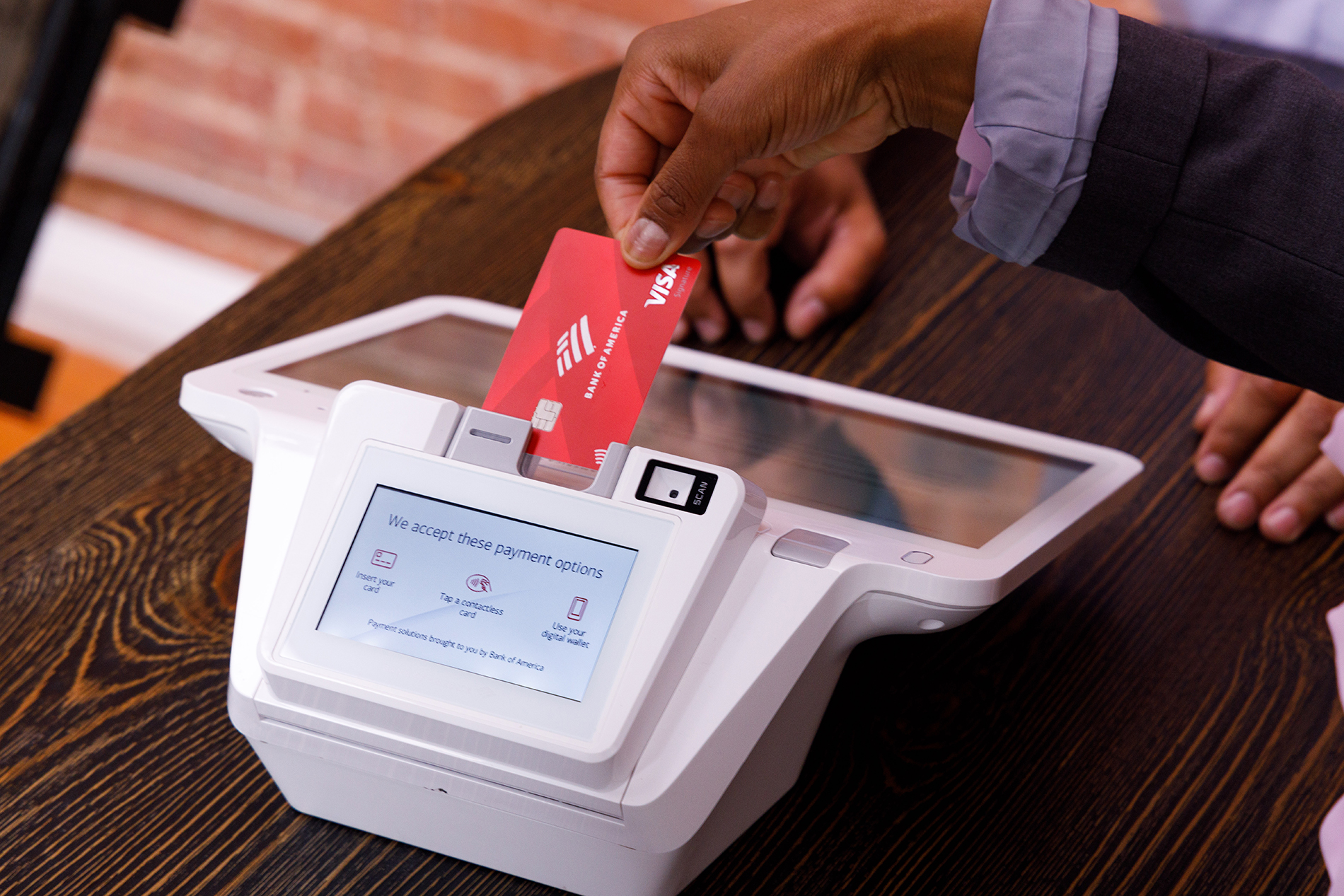
The photo below comes from the press archive of Bank of America. It shows a card transaction and illustrates the financial context, but does not represent an AI agent or an automated action.
Bank of America alert is not a general ban on AI
The email does not announce that all AI assistants are blocked, nor does it state that the bank prohibits using AI for research, organization or support. The message sets a practice customers should avoid.
The point is handing login credentials to an external service. The text does not detail official connectors, APIs, OAuth permissions or other means of consented access. It also does not explain how each product can integrate with the account.
Therefore, it is not possible to conclude that any AI tool that interacts with a financial institution violates a rule. The published recommendation is about sharing username and password, not a complete description of authorized integrations.
The report does not describe a breach, leak or loss caused by an agent. It also does not provide statistics on customers who use these tools. The new fact is a security reminder, confirmed by the bank, and not a fraud incident.
This distinction matters for product builders. A security news item can be relevant without proving that a specific technology was compromised or that every automated flow is unsafe.
Handing over your banking password expands an agent's power
A bank password was created to authenticate a person to an account, not to authorize a single isolated task. When an agent receives the full login, it can gain broader reach than needed to answer a question or organize data.
If the credential is placed in a conversation, a configuration field, or a log file, it can also end up stored outside the bank's system. That risk depends on how each tool stores and processes data, something the email does not assess.
Agents can interpret instructions in unexpected ways, call connected tools, or execute steps beyond what the person imagined. This does not mean every agent will act like that. It means permissions need to limit the impact of a mistake.
The OWASP Top 10 for Agentic Applications 2026 organizes ten risk categories for agentic applications, including identity and privilege abuse. The list does not describe Bank of America; it helps technical teams think about controls for systems that use agents.
The article about 1Password for Agents shows an architecture where a person approves a specific login without revealing the password to the agent. It is a useful contrast to copying a credential into a prompt.
Integrate financial agents with smaller permissions
Before choosing a model, define which data and actions the task really requires. If the agent only needs to organize information, do not grant access to transfers, payments, or profile changes.
When an official integration exists, prefer specific permissions over a reused password. Limited scopes can separate read from write and reduce the set of available actions. The availability of these features depends on each institution.
Use temporary and revocable access when the platform allows it. A token with a defined term and scope is easier to end than a permanent password shared with multiple services.
Keep secrets out of the prompt, conversation history, execution logs, and code repository. Use a credential vault, limit who can read each secret, and rotate tokens when there is suspicion of exposure.
For operations that change an account, ask for human confirmation in a trusted interface. Show the action, the recipient, and the amount before confirmation, instead of relying only on a phrase generated by the agent.
Record which tools were called and which permission allowed each action. Logs help investigate problems, but should not store full passwords or tokens. It is also important to have a simple way to revoke the connection.
The guide about inference hooks from Anthropic explains an example control that evaluates requests before they reach the model. The article about NVIDIA Vera and OpenShell covers isolation and policies for agentic workloads.
Frequently asked questions about the Bank of America alert about AI agents
What did Bank of America warn about regarding AI agents?
The bank recommended that customers do not share usernames or passwords with external services, including AI agents acting on their behalf.
Did Bank of America ban the use of AI?
No. The email addresses sharing credentials with external services and does not describe a general ban on the use of artificial intelligence.
Can an AI agent move money from my account if it receives the password?
The notice says the customer may be liable for activities carried out after sharing credentials. What actions are possible depends on the permissions and features of each tool.
How to use AI with financial data without handing over the password?
Prefer official integrations with specific, revocable permissions, keep credentials out of prompts and logs, and require human confirmation for sensitive actions.
Was the Bank of America alert confirmed?
Yes. Bank of America confirmed to TechCrunch that the message sent to customers was authentic.
The Bank of America warning favors access with clear scope
For customers, the recommendation is simple: do not hand your banking password to an AI agent or an external service that promises to act for you. Check the bank's official channels before connecting any tool to the account.
For developers, the reminder reinforces an architecture rule: grant only the access needed, keep credentials out of the model's context, and require approval for sensitive actions. The model should not receive a broad key just because the integration is faster to implement.
Separating financial credentials from automated tasks does not prevent using agents in software projects. Coordinate an agent squad on bridgecode and follow each step of the project, keeping distinct roles for planning, building, and reviewing.
Source: TechCrunch
Tags:#Bank of America#agentes de IA#segurança bancária#credenciais
Developer and creator of bridgecode, an agentic development environment for orchestrating squads of AI agents. Helps people going from vibe coding to professional development move from idea to shipped product.
Related articles
Newsletter
MOSS-Live: real-time conversation that doesn't stop when you talk
OpenMOSS published MOSS-Live on November 7, 2026, a full-duplex system that keeps the conversation flowing while the assistant responds and runs tasks in the background.
6 min
Newsletter
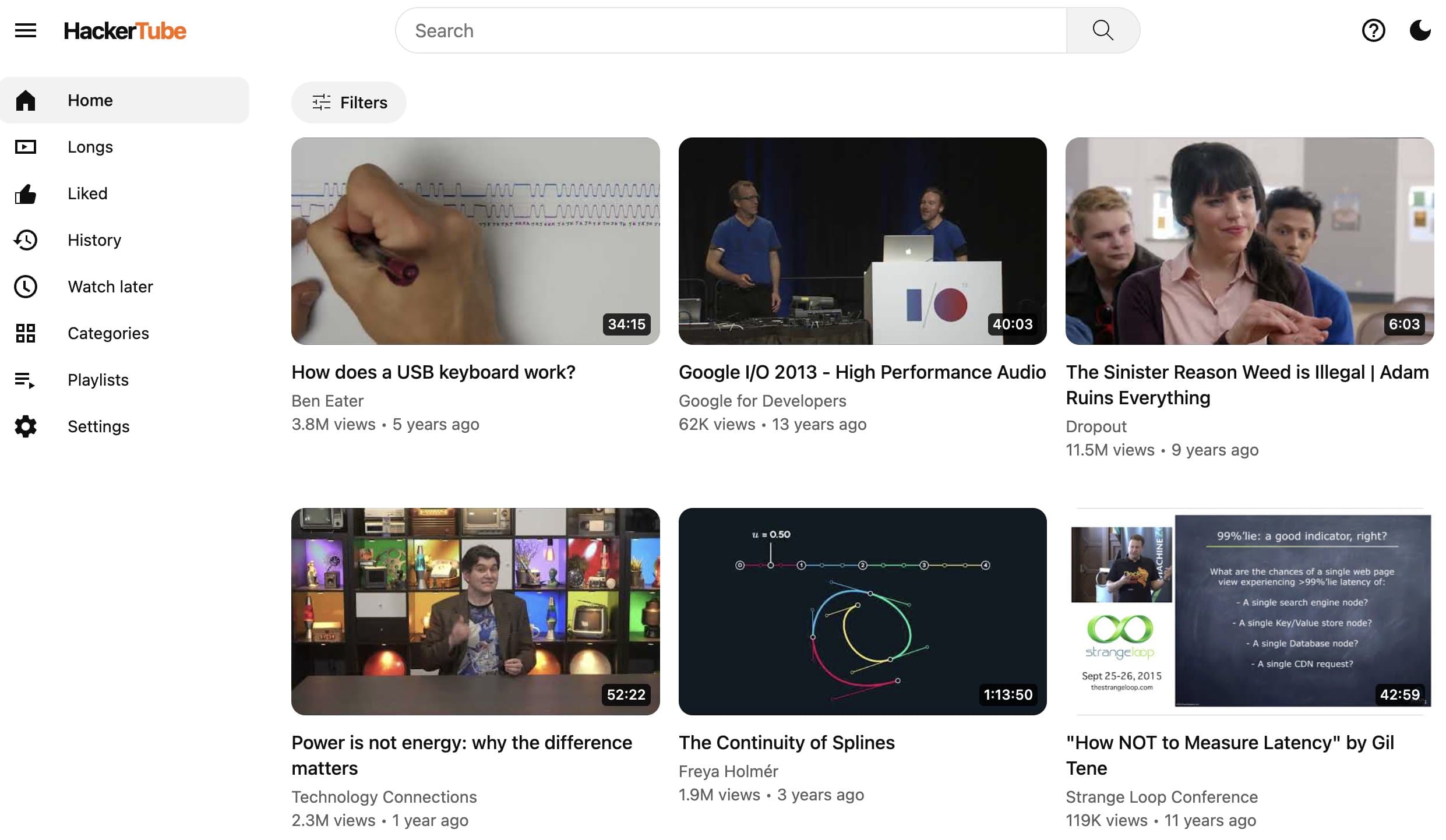
Karpathy builds a video platform over a weekend with Claude
Andrej Karpathy built HackerTube in a weekend with Claude. What it says about development speed with coding agents.
5 min
Newsletter
Rich Sutton reinforces that compute alone does not create intelligence
Turing Award winner Rich Sutton reinforces that raw compute is not enough for intelligence and calls for new methods, continuous learning and world models.
5 min