
Confirmed, official source. Anthropic said it filed an S-1 registration with the SEC on October 26, 2026. The company is proposing an initial public offering and intends to list Class A shares on Nasdaq under the symbol ANT.

Anthropic files S-1 and plans ANT ticker
Anthropic filed an S-1 with the SEC for a proposed public offering and plans to list shares on Nasdaq under ANT. Price and size have not been set yet.

Marcelo Santiago
Criador do bridgecode
The biggest AI newsletter in the World
Get AI articles in your inbox
Technical curation on models, agents and coding tools. No spam, unsubscribe anytime.
In this article you will see:
- What Anthropic communicated about the proposed offering
- The first half numbers presented in the S-1
- What is still not defined for the IPO
Anthropic files S-1 for a proposed offering
The announcement came at 10:05 Brasília time on Anthropic's official profile. A Form S-1 is a filing sent to the SEC for a proposed public offering, not confirmation that shares are already on sale.
The company intends to list Class A shares on the Nasdaq Global Select Market with the symbol ANT. The official announcement states that the number of shares and price range have not yet been determined.
The S-1 shows Anthropic's financial results
The filing submitted to the SEC reports revenue of US$16.286 million in the half ended June 30, 2026, versus US$1.163 million in the same period of 2025. The company reports the 2026 data as unaudited.
The document also points to an operating loss of US$693 million in the first half of 2026. Check the values and disclaimers in the full S-1 filed with the SEC.
What is still not defined for Anthropic's IPO
Anthropic has not announced how many shares will be offered, the price range or a date for the offering. The company says the registration is not yet effective and shares cannot be sold before that.
The communication also clarifies that the announcement is not an offer to sell nor a solicitation to buy shares. Following the SEC document is the safest way to separate the terms already filed from the next steps still pending.
How the S-1 connects to Anthropic's products
The filing is corporate news, not a Claude launch or a new API. To follow product distribution, see how Claude reached Google Cloud with management by Anthropic.
For context on safety assessment, also read Anthropic's analysis with UK AISI on the Claude Mythos 5 test.
Frequently asked questions about Anthropic's S-1
Has Anthropic set the IPO price yet?
No. Anthropic says the number of shares and price range have not been determined yet.
What ticker does Anthropic plan to use on Nasdaq?
Anthropic plans to list Class A shares on the Nasdaq Global Select Market under the symbol ANT.
When will Anthropic's IPO happen?
The October 26, 2026 announcement does not provide a date for the offering. The company says the registration is not yet effective.
What does the S-1 say about Anthropic's results?
The S-1 reports revenue of US$ 16.286 million and an operating loss of US$ 693 million for the six months ended June 30, 2026. The half year figures are unaudited.
The S-1 opens a new public stage for Anthropic
The company started the regulatory process for a proposed offering, but decisions on volume, price and timeline are still missing. The semester results in the filing offer financial context without changing the availability of AI products.
From draft to finished product: split work between specialist agents and track each step on bridgecode.
Source: Anthropic
Tags:#Anthropic#S-1#SEC#IPO#Nasdaq#Claude
Developer and creator of bridgecode, an agentic development environment for orchestrating squads of AI agents. Helps people going from vibe coding to professional development move from idea to shipped product.
Related articles
Newsletter
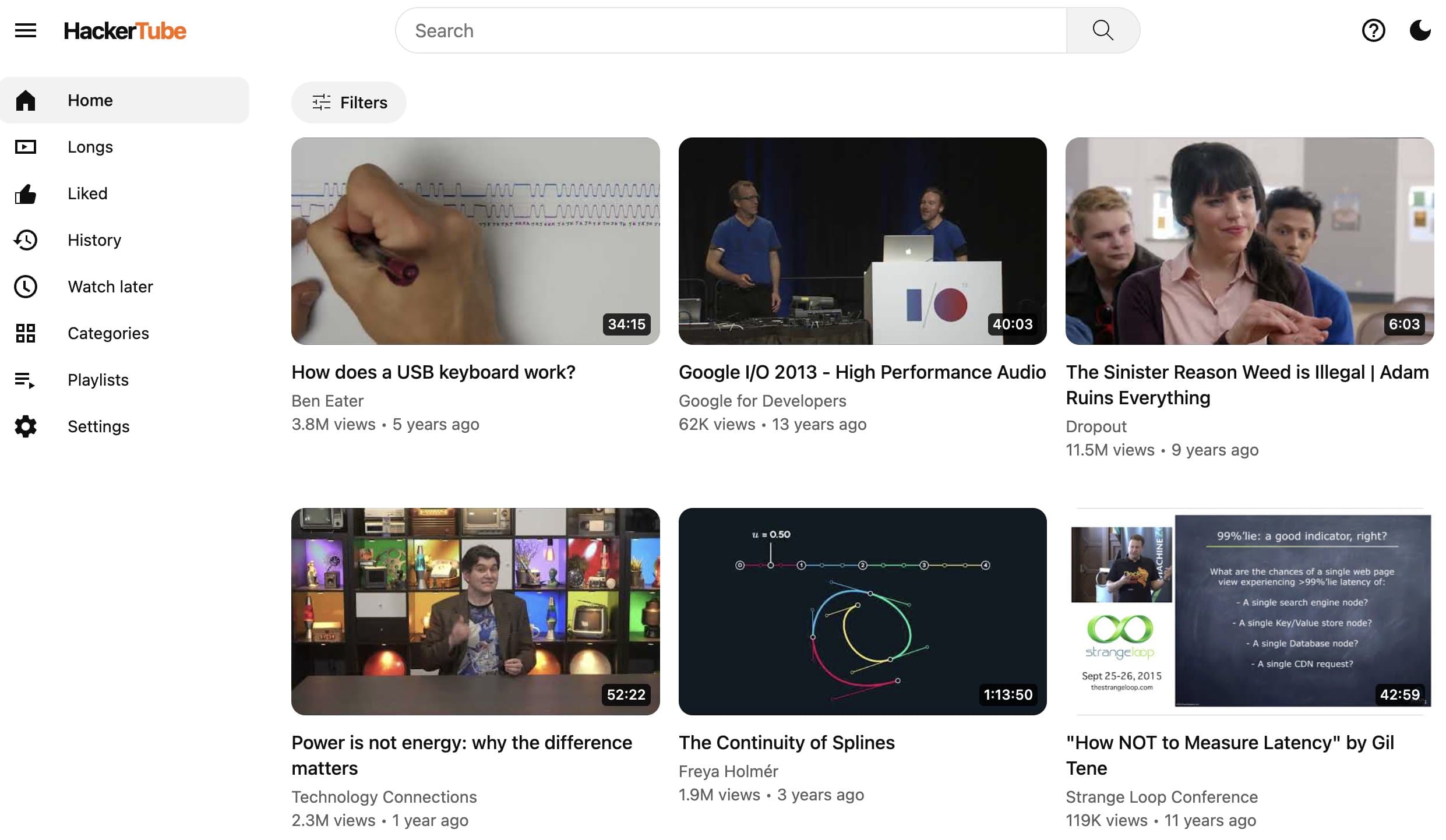
Karpathy builds a video platform over a weekend with Claude
Andrej Karpathy built HackerTube in a weekend with Claude. What it says about development speed with coding agents.
5 min
Newsletter
Rich Sutton reinforces that compute alone does not create intelligence
Turing Award winner Rich Sutton reinforces that raw compute is not enough for intelligence and calls for new methods, continuous learning and world models.
5 min
Newsletter
AI auditors detect misbehavior but generate false alarms
AI models catch a good portion of other agents' misbehavior, but they generate a lot of false alarms. See the numbers from Andy Hall's study.
6 min