
On October 29, 2026, Dream came out of stealth after raising $17 million in seed funding for AI applied to built spaces. The initial focus is architecture, engineering and construction, not a generalist assistant.
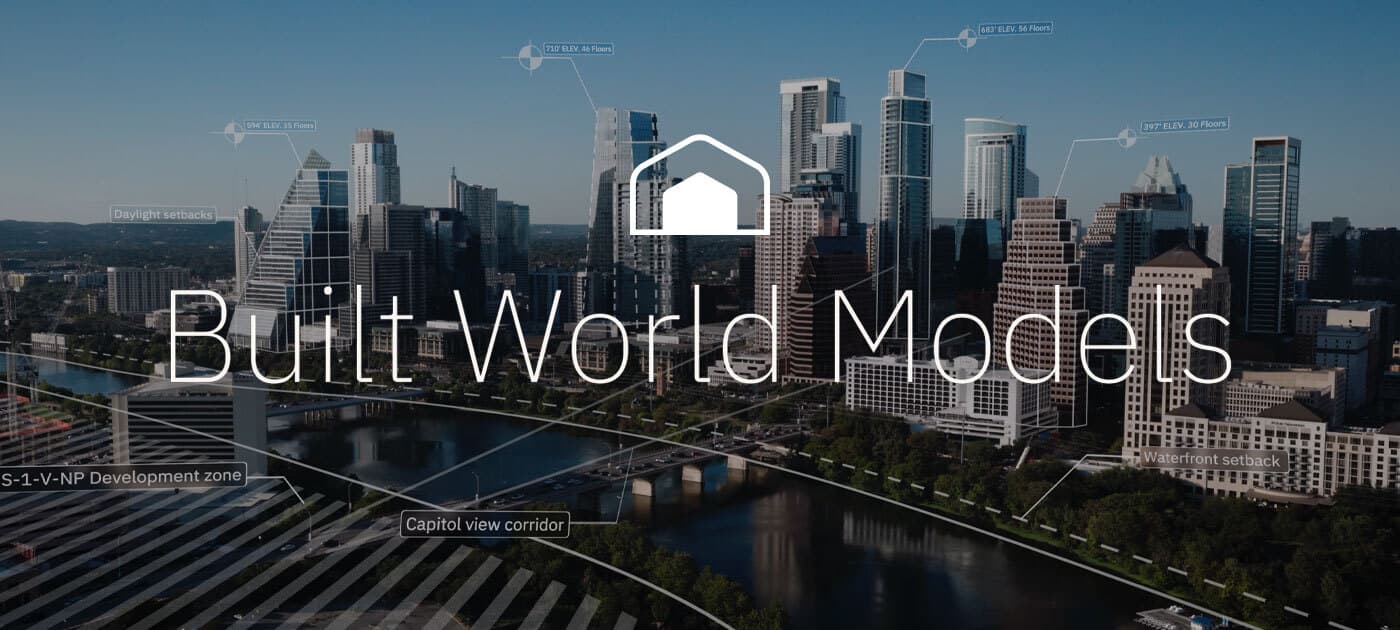
Dream raises $17M to model the physical world
Dream announces $17 million for AI building models; the company cites more than 100 million square feet of training data.

Marcelo Santiago
Criador do bridgecode
The biggest AI newsletter in the World
Get AI articles in your inbox
Technical curation on models, agents and coding tools. No spam, unsubscribe anytime.
According to the company, the models were trained with more than 100 million square feet of permitted buildings. The number describes the area of the disclosed set, not a building count nor an independent assessment.
In this article you will see:
- What Dream calls physical world models
- Which training data and projects the company disclosed
- What is still missing about access, API and validation
- How technical teams can evaluate the proposal without confusing announcement with benchmark
What Dream announced about construction models
Dream presents itself as a product and research company that automates design and engineering of the built environment. Its initial focus is AEC, the acronym for architecture, engineering and construction.
The company said it emerged from stealth on October 29 with $17 million in a seed round. The press release lists Andreessen Horowitz, SV Angel, XYZ and Zigg Capital among the investors, without detailing how much each contributed.
The company was founded by Andy Elder and Arjun Mathur, presented as former Palantir leaders. The release links the founders' experience in mission critical systems to problems that involve objects, materials and physical constraints.
The official publication does not specify a general availability date, a public API, a usage license or weights to download.
This limits what a developer can test now and prevents treating the news as a launch of an open tool.
How Dream describes physical world models
The company uses the term built world models, or built world models, for systems that reason about geometry, constraints and relationships between objects in physical spaces.
Dream calls this capability structural cognition, or structural cognition. The term describes how physical elements occupy space and depend on each other.
The difference matters because a plausible language response does not guarantee an executable drawing. A system for buildings needs to respect dimensions, connections, materials and limits defined by professionals.
As examples, Dream cites HVAC routing and component coordination. These are cases described by the company, not independent proof that all design tasks can be automated.
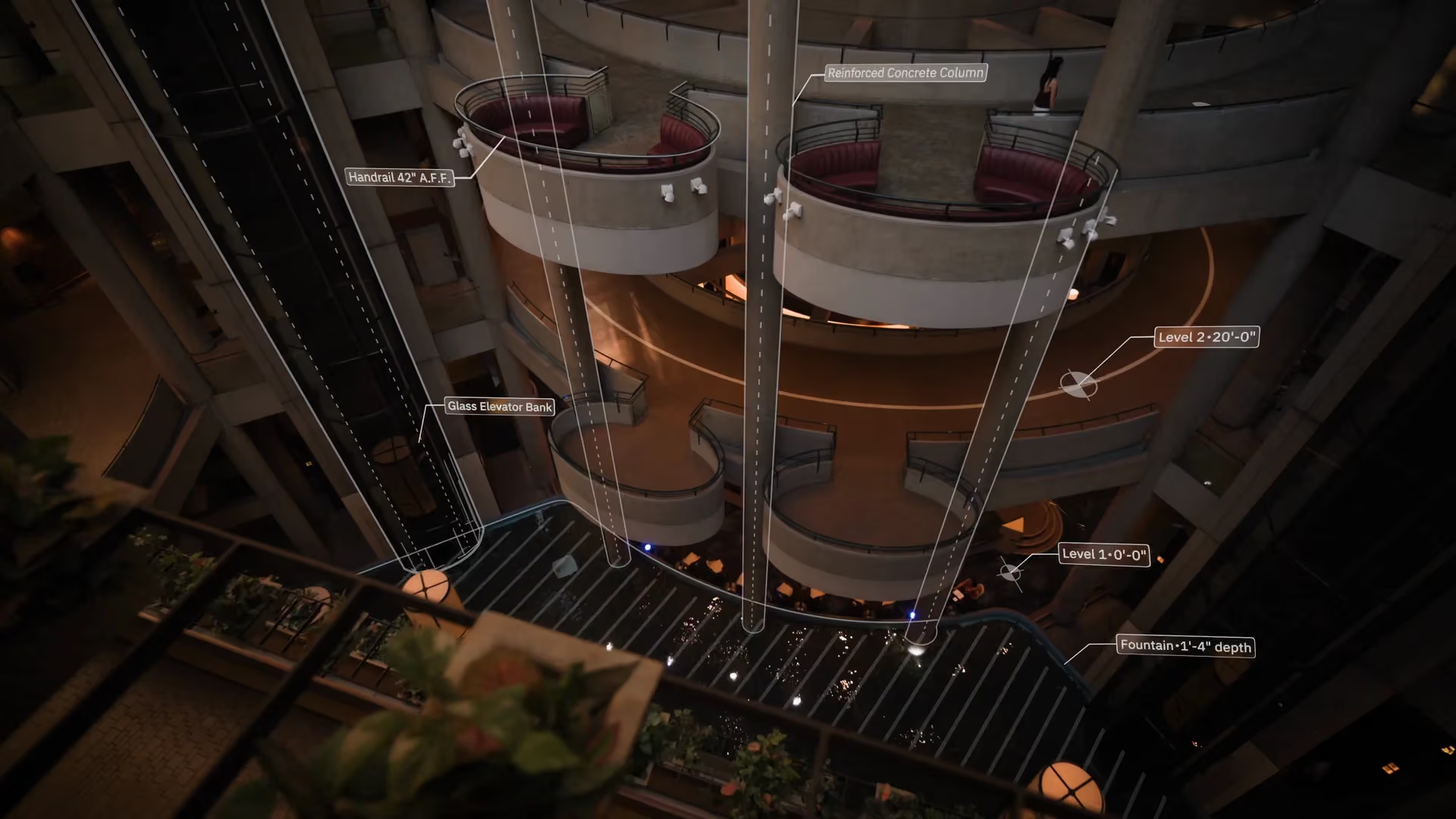
The announced set brings together permitted buildings in the United States, including commercial properties, apartments and single family homes. The page does not inform the distribution of area among these categories.
Dream says it seeks to generate engineering plans usable by contractors. The press release does not present a public benchmark, error rate or reproduction protocol for this claim.
The projects disclosed by Dream are early signals, not a benchmark
The company says it acted as the responsible architect on 10 projects in California and Texas. One of them, a single-family home in Austin, was reportedly completed from start to finish.
Dream also reports supporting $20 million in developments. It is a project metric disclosed by the company, not revenue, proven savings, or value of work without human review.
The numbers indicate use in projects, but they do not measure model accuracy. The announcement does not compare teams, rework, time saved, or results from a blind evaluation.
This distinction matters in construction. A geometry error can have material consequences, so a convincing visualization should not be treated as technical approval.
Dream emphasizes that an error in the physical environment can be more serious than a text error. The workflow needs to separate model suggestion, technical validation, and decision by qualified professionals.
What developers should check before using Dream
The announcement does not provide input and output formats, version control, or integrations with engineering tools. This information is needed to assess whether the system fits an existing workflow.
Public details are also missing about API, usage limits, license, data protection, and audit trail. The absence in the announcement does not prove private access does not exist, but these features cannot be assumed.
A team can turn the promise into verifiable questions: what data goes in, what artifacts come out, how changes are compared, and who approves changes before use in a real project.
For a pilot, pick a small task, keep a reference version, and request expert review. Record incompatibilities, fixes, and situations where the system should not suggest a decision.
The article about Genie 4 from Google DeepMind covers interactive simulation; Dream focuses on the built environment and building engineering.
The proposal differs from text models like Mistral Large 4, released with open weights. Dream does not announce weights for download, so local execution should not be assumed.
The official page offers a Dream launch video. The demo explains the proposal, but it does not replace documentation, reproducible metrics, or access to test.
Frequently asked questions about Dream's physical world models
What is Dream?
Dream is a product and research company that develops AI models for the built environment. Its initial focus is architecture, engineering and construction.
What are Dream's physical world models intended to do?
The company says they reason about geometry, constraints and relationships between objects in physical spaces. The examples shared include HVAC routing and component coordination.
How much did Dream raise?
Dream announced $17 million in a seed round on October 29, 2026. The announcement lists Andreessen Horowitz, SV Angel, XYZ and Zigg Capital among the investors.
Does Dream offer a public API or weights to download?
The announcement does not specify a public API, license, weights for download or general availability date. It is not possible to assume open access from the announcement.
What training dataset did Dream disclose?
The company reports that it trained the models on more than 100 million square feet of permitted buildings in the United States. The announcement does not provide the distribution across property categories.
What Dream changes for architecture and software teams
Dream brings spatial reasoning to architecture and engineering projects, a field where geometry and physical constraints matter as much as content generation.
The company bets its models can reduce manual work in this sector.
The announcement combines $17 million in funding with training metrics and projects served. To evaluate the technology, access documentation and technically reproducible results from independent teams are still missing.
From draft to finished product, split the work among specialist agents and track each step on bridgecode.
Source: Dream
Tags:#Dream#modelos do mundo físico#built world models#AEC#IA para construção
Developer and creator of bridgecode, an agentic development environment for orchestrating squads of AI agents. Helps people going from vibe coding to professional development move from idea to shipped product.
Related articles

Newsletter
GitHub rebuilds Git storage for agents
GitHub announced its new Git storage architecture, Project Rubicon, capable of handling thousands of writes per second to a single repository.
6 min

Newsletter
Palette: IBM model learns to create slides in your style
IBM and Hugging Face released Palette, a 20 billion parameter model that generates presentations in code trained to follow the IBM Design Language.
7 min

Newsletter
OpenAI creates a standard for responsible AI infrastructure
OpenAI published a standard for responsible AI infrastructure with commitments on energy, water, workforce and communities.
5 min